
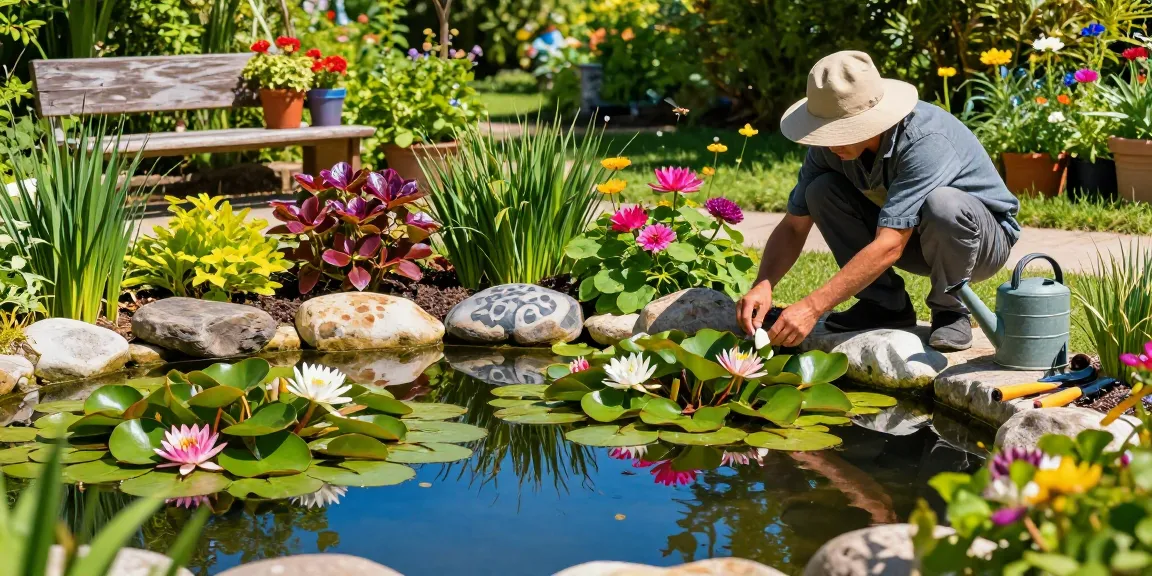
Understanding the Benefits of Pond Plants
Creating a pond garden is a delightful way to enhance your outdoor space. By incorporating a variety of pond plants, you not only improve the aesthetics but also promote a healthy aquatic environment. When exploring options, Buy Pond Plants Online is a convenient solution that allows you to access a broad selection of species tailored to your specific needs. The advantages of having pond plants extend far beyond just visual appeal; they are integral to the ecosystem of your pond.
Why You Should Buy Pond Plants Online
Buying pond plants online offers several benefits, including convenience, variety, and potentially lower prices. Instead of visiting multiple local nurseries, you can browse a wide array of plants from the comfort of your home. Online retailers often provide detailed descriptions and imagery, helping you make informed choices. Additionally, many online sellers offer competitive pricing, which can lead to significant savings.
Key Benefits for Aquatic Ecosystems
Pond plants play a critical role in maintaining the balance of aquatic ecosystems. They produce oxygen through photosynthesis, which is essential for the survival of fish and other aquatic organisms. Moreover, plants help to filter pollutants from the water, enhancing clarity and purity, which is vital for a thriving ecosystem. They also provide habitat and shelter for various wildlife, contributing to biodiversity.
How Pond Plants Enhance Aesthetics
Beyond their ecological benefits, pond plants significantly enhance the visual appeal of water gardens. Floating plants like water lilies create stunning surface displays, while submerged species add depth and richness to your pond. Furthermore, marginal plants can frame your pond, offering a beautiful transition between water and land. For those looking to create a picturesque environment, thoughtful selection and placement of these plants are essential.
Top Types of Pond Plants to Consider
Floating Plants: A Natural Choice for Shade
Floating plants are an excellent addition to any pond, providing shade to lower water temperatures and reduce algae growth. Varieties such as water hyacinth and duckweed can cover the pond surface quickly, benefiting both fish and the overall water quality.
Submerged Plants that Oxygenate Water
Submerged plants, like hornwort and eelgrass, are vital for oxygenation and serve as natural water filters. They absorb excess nutrients and prevent excessive algae blooms, ensuring a healthy aquatic environment.
Marginal Plants for Borders and Structure
Marginal plants, such as cattails and iris, thrive in shallow water and are perfect for the edges of your pond, providing stability and erosion control. They also create lush, green borders that can attract wildlife and enhance the beauty of your landscape.
How to Choose the Right Pond Plants
Assessing Your Pond Environment
Before purchasing pond plants, it is crucial to assess your pond’s specific environment. Factors such as water depth, sunlight exposure, and current water quality will influence your plant choices. For instance, some plants thrive in full sun, while others prefer shaded areas.
Seasonal Considerations for Plant Selection
Different plants may be more suitable depending on the season. Spring is ideal for most planting activities, whereas you might need to consider floating plant varieties that can sustain through the summer heat. Additionally, certain species are more resilient during the winter months, allowing for a year-round display.
Common Mistakes When Buying Pond Plants Online
One common mistake is failing to check the size and growth rate of the plants. Some species can grow rapidly and may become invasive if not managed correctly. Always read descriptions thoroughly and check customer reviews to avoid unpleasant surprises.
Planting and Caring for Your Pond Plants
Step-by-Step Guide to Planting
To ensure your pond plants thrive, follow these simple steps:
- Choose the right pot and soil for each plant type.
- Place the plants at the appropriate depth in the pond.
- Secure the plants with gravel to prevent them from floating away.
- Water the plants regularly, especially after planting.
Maintenance Tips for Healthy Growth
Regular maintenance is essential for thriving pond plants. Monitor water quality, remove debris, and trim back any overgrown plants to promote healthy growth. Fertilization should be managed carefully, as excessive nutrients can lead to algae blooms.
Controlling Invasive Species Effectively
Invasive species can disrupt the balance of your pond. It's essential to stay vigilant and remove any invasive plants immediately. Regular monitoring will help you maintain the desired plant population and prevent overcrowding.
Future Trends in Pond Gardening
Innovative Pond Plant Varieties for 2026
The future of pond gardening is bright, with increasing interest in hardy and unique plant varieties. Breeders are developing new hybrids that offer better disease resistance, vibrant colors, and extended blooming periods. This innovation allows gardeners to create more dynamic and visually appealing aquatic environments.
Sustainable Gardening Practices to Adopt
As awareness of environmental issues grows, sustainable gardening practices are becoming more popular. This includes using native plants that require less maintenance and fewer resources, as well as employing organic methods for pest control.
How Online Shopping Is Changing Pond Gardening
The rise of e-commerce has transformed how gardeners acquire plants. With the convenience of online shopping, enthusiasts can easily compare varieties, prices, and customer feedback, leading to more informed purchasing decisions. This trend allows for greater accessibility to a diverse range of pond plants, catering to specific gardening needs.
What are the best types of pond plants for my garden?
The best types depend on your pond's specific conditions. Floating plants are ideal for surface coverage, while submerged plants improve oxygen levels. Marginal plants can enhance aesthetics and provide structure to the pond’s edges.
How can I ensure my pond plants thrive?
To ensure your pond plants thrive, provide optimal growing conditions by monitoring water quality, selecting appropriate species, and implementing a regular maintenance routine.
Are there specific plant varieties for different seasons?
Yes, certain plants bloom in specific seasons. For instance, summer-blooming water lilies are perfect for vibrant colors, while some hardy varieties can survive winter temperatures.
What is the average cost of pond plants online?
The cost of pond plants varies widely depending on the type and size. On average, you can expect to pay anywhere from £5 to £20 per plant when purchasing online.
How can I create a balanced ecosystem in my pond?
A balanced ecosystem can be achieved by integrating various plant types, maintaining water quality, and ensuring there are enough fish and other aquatic life to support the plants. Regular monitoring and adjustments will help maintain this balance.