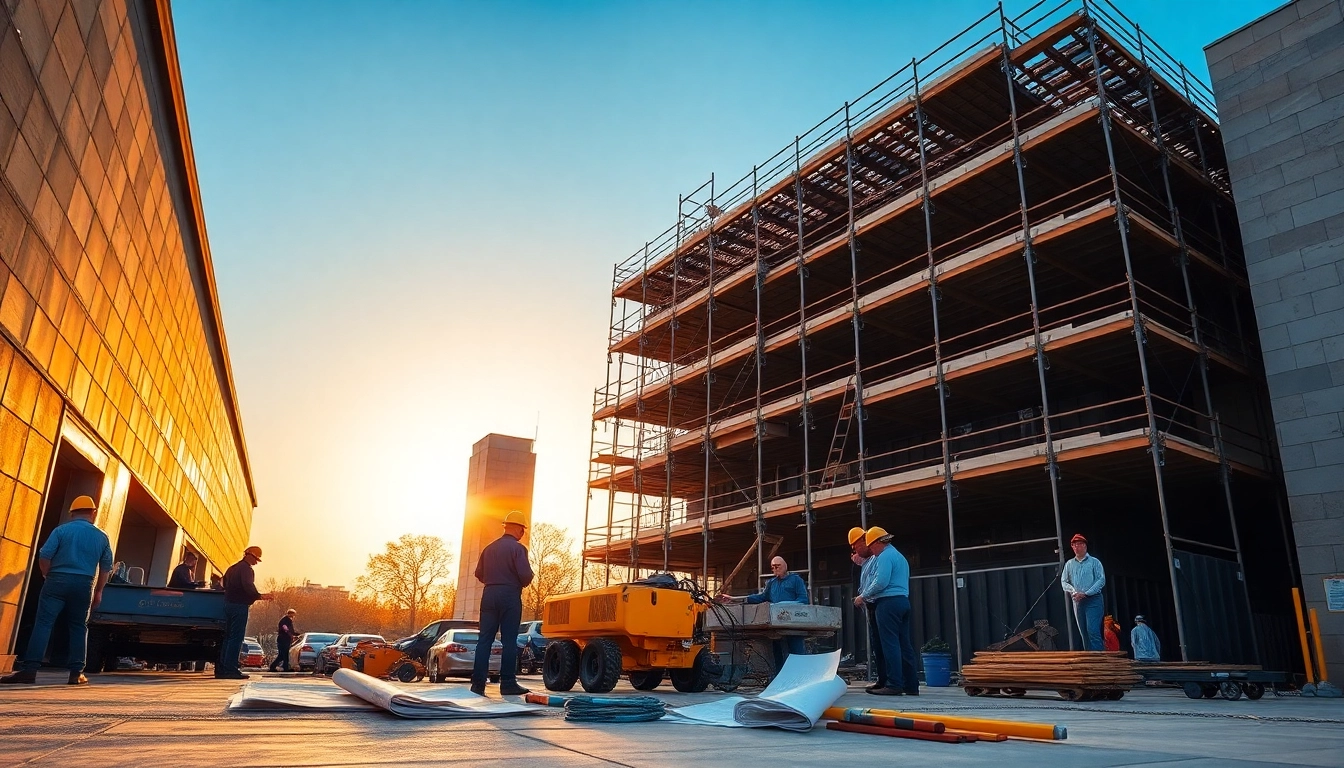
Understanding the Landscape of Austin Construction
The construction industry is a crucial part of economic development, particularly in booming cities like Austin, where commercial and residential development is on the rise. The demand for housing, office spaces, and infrastructure has created a vibrant and competitive market. Understanding the nuances of Austin construction equips stakeholders with the knowledge needed to thrive in this rapidly evolving environment. This article will delve into the critical aspects of the construction sector in Austin, exploring current trends, regulations, challenges, and future prospects.
1.1 The Importance of the Construction Industry
The construction industry significantly contributes to local economies by creating jobs, enhancing infrastructure, and boosting local businesses. It plays a vital role in determining the quality of life for residents. As cities expand and develop, construction is pivotal in meeting housing and commercial needs while facilitating urban growth.
1.2 Overview of Current Trends in Austin Construction
In recent years, Austin has witnessed a surge in construction activity, fueled by population growth and technological innovation. Key trends include:
- Green Building: Sustainable construction practices that aim to minimize environmental impact are becoming the norm, with more projects integrating renewable energy sources and using eco-friendly materials.
- Smart Technology: The integration of smart technology into buildings enhances efficiency and adds value, making projects more appealing to buyers and tenants.
- Affordable Housing Initiatives: With the rising cost of living, there is a concerted effort to provide affordable housing options, encouraging more inclusive growth.
1.3 Legal Regulations Impacting Austin Construction
The construction industry is subject to various regulations and standards, including zoning laws, building codes, and safety regulations. Compliance is crucial for contractors to avoid penalties and ensure the safety and quality of their projects.
Key Players in the Austin Construction Market
Understanding the role of various stakeholders in the construction process is essential for successful project completion. From contractors to suppliers, each player brings unique value to the table.
2.1 Types of Services Offered in Austin Construction
The construction industry in Austin encompasses a wide range of services, including:
- Residential Construction: Building homes, apartments, and condominiums.
- Commercial Construction: Constructing office buildings, retail spaces, and warehouses.
- Infrastructure Projects: Developing roads, bridges, and public transport systems.
- Renovations and Remodeling: Upgrading existing buildings to meet current standards and aesthetic demands.
2.2 Prominent Challenges Facing Contractors
Contractors face numerous challenges that can impact project success, including:
- Labor Shortages: A shortage of skilled labor is a common issue, making it difficult for contractors to find qualified personnel.
- Supply Chain Disruptions: Fluctuations in the availability of materials can lead to project delays and budget overruns.
- Regulatory Compliance: Navigating the complex landscape of permits and regulations can be time-consuming and frustrating.
2.3 Innovations on the Rise in Austin Construction
To address these challenges and improve efficiency, the Austin construction sector is embracing various innovations:
- Building Information Modeling (BIM): BIM technology allows for better visualization and planning, reducing errors during construction and enhancing collaboration.
- Prefabrication: Off-site prefabrication can speed up the construction process and increase precision.
- Drones and Robotics: These technologies are becoming instrumental in site surveying and monitoring progress, providing real-time data to improve project management.
Best Practices for Successful Austin Construction Projects
Successful project management in construction is crucial for timely delivery and satisfaction of stakeholders. Implementing best practices can significantly enhance project outcomes.
3.1 Efficient Project Management Strategies
To ensure projects run smoothly, construction managers should consider adopting the following strategies:
- Clear Communication: Maintain open lines of communication among all stakeholders to foster collaboration and transparency.
- Use of Project Management Tools: Digital project management tools can help track progress, manage schedules, and communicate effectively.
- Regular Training: Investing in training for the workforce ensures that everyone is up to speed on the latest skills and technologies.
3.2 Sustainable Practices in Austin Construction
Incorporating sustainability into construction practices not only benefits the environment but can also result in long-term cost savings. Key sustainable practices include:
- Energy-Efficient Designs: Implement designs that reduce energy consumption, such as improved insulation and efficient HVAC systems.
- Water Conservation: Use water-efficient fixtures and systems to reduce water consumption.
- Recycling Materials: Reusing materials from demolished structures can minimize waste and lower material costs.
3.3 Cost Management Techniques in Construction
Effective cost management is essential for maintaining profitability in construction projects. Techniques include:
- Accurate Budgeting: Develop thorough budgets that account for all project aspects to avoid overspending.
- Continuous Monitoring: Regularly review project budgets and expenses to spot potential overruns early.
- Contingency Planning: Allocate funds for unforeseen circumstances to prevent project disruptions due to unexpected expenses.
Community Impact of Austin Construction
The impact of construction goes beyond the economic realm; it significantly influences community dynamics and growth. The projects completed in Austin shape the community's future and opportunity.
4.1 Building Affordable Housing in Austin
As one of the fastest-growing cities in the country, Austin faces significant challenges with housing affordability. Innovative housing solutions, including modular homes and mixed-use developments, are emerging as potential answers to this pressing issue. These approaches not only offer living space but also integrate necessary services and commercial opportunities for residents.
4.2 The Role of Construction in City Development
Construction is critical in shaping urban landscapes. New developments set the tone for neighborhood character and growth, including parks, schools, and communal spaces that enhance livability. Additionally, infrastructure projects like roadways and public transportation systems foster connectivity and accessibility, making cities more navigable.
4.3 Engaging Local Communities in Construction Projects
Engaging local communities is vital for creating projects that reflect their needs and aspirations. Involving stakeholders during the planning stages ensures that community voices are heard and considered. Building partnerships with local organizations can facilitate development that aligns with the city’s vision and enhances public support.
Future Prospects and Trends in Austin Construction
As Austin continues to grow and attract new residents and businesses, understanding future trends in construction is essential for stakeholders looking to navigate the upcoming challenges and opportunities in the sector.
5.1 The Role of Technology in Shaping Future Projects
The construction landscape is increasingly being transformed by emerging technologies. Innovations such as virtual reality for design visualization, augmented reality for on-site utility verification, and advanced materials like 3D-printed components are likely to play a significant role in how projects are designed and executed.
5.2 Predicting Market Trends for Austin Construction
Market trends point towards a continued demand for housing, particularly affordable options, as urban growth persists. Simultaneously, the commercial sector will likely see a shift towards flexible work spaces and mixed-use environments as business needs evolve in response to changing social dynamics.
5.3 How Economic Factors Influence Austin Construction
The construction industry is significantly influenced by economic factors such as interest rates, economic policies, and urban planning initiatives. As the economic landscape fluctuates, contractors must be agile and adaptive to shifting market demands, ensuring sustainability and longevity in their business practices.