Understanding Custom Steel Fabrication
Custom steel fabrication refers to the process of transforming raw steel into various shapes and designs to meet specific requirements. This method is utilized across various industries, ensuring components are perfectly suited to their intended applications. The versatility and robustness of steel make it a preferred material for many projects, ranging from construction to manufacturing. Through custom steel fabrication, businesses can achieve tailored solutions that elevate both functionality and aesthetics.
What is Custom Steel Fabrication?
Custom steel fabrication involves the shaping, cutting, and assembling of steel materials to create unique products. It encompasses several processes such as welding, machining, and finishing. The primary aim of custom steel fabrication is to produce components that are precisely designed for specific operational needs, which can differ significantly from off-the-shelf products. This tailor-made approach ensures every aspect of a project meets quality standards and specific engineering requirements.
Key Benefits of Custom Steel Fabrication
The adoption of custom steel fabrication offers numerous advantages:
- Precision Engineering: Custom fabrication allows for exact specifications to be met, enhancing the fit and function of the end product.
- Design Flexibility: Designers can create unique components that perfectly fit their project requirements, allowing for innovation and creativity.
- Efficiency in Production: Customized solutions minimize waste through optimized designs, saving both materials and costs.
- Durability and Strength: Steel is renowned for its strength; customized fabrication methods enhance the structural integrity of products.
Common Applications of Custom Steel Fabrication
Custom steel fabrication is prevalent in various sectors, including:
- Construction: Structural steel frames, beams, and reinforcements are vital for both commercial and residential buildings.
- Manufacturing: Custom machinery parts and tools are fabricated to improve efficiency and productivity.
- Aerospace and Automotive: Precision components such as brackets, frames, and chassis are developed to meet strict industry standards.
- Art and Sculpture: Many artists utilize custom fabrication to create bespoke sculptures and installations.
Essential Techniques in Custom Steel Fabrication
Welding Techniques for Custom Steel Fabrication
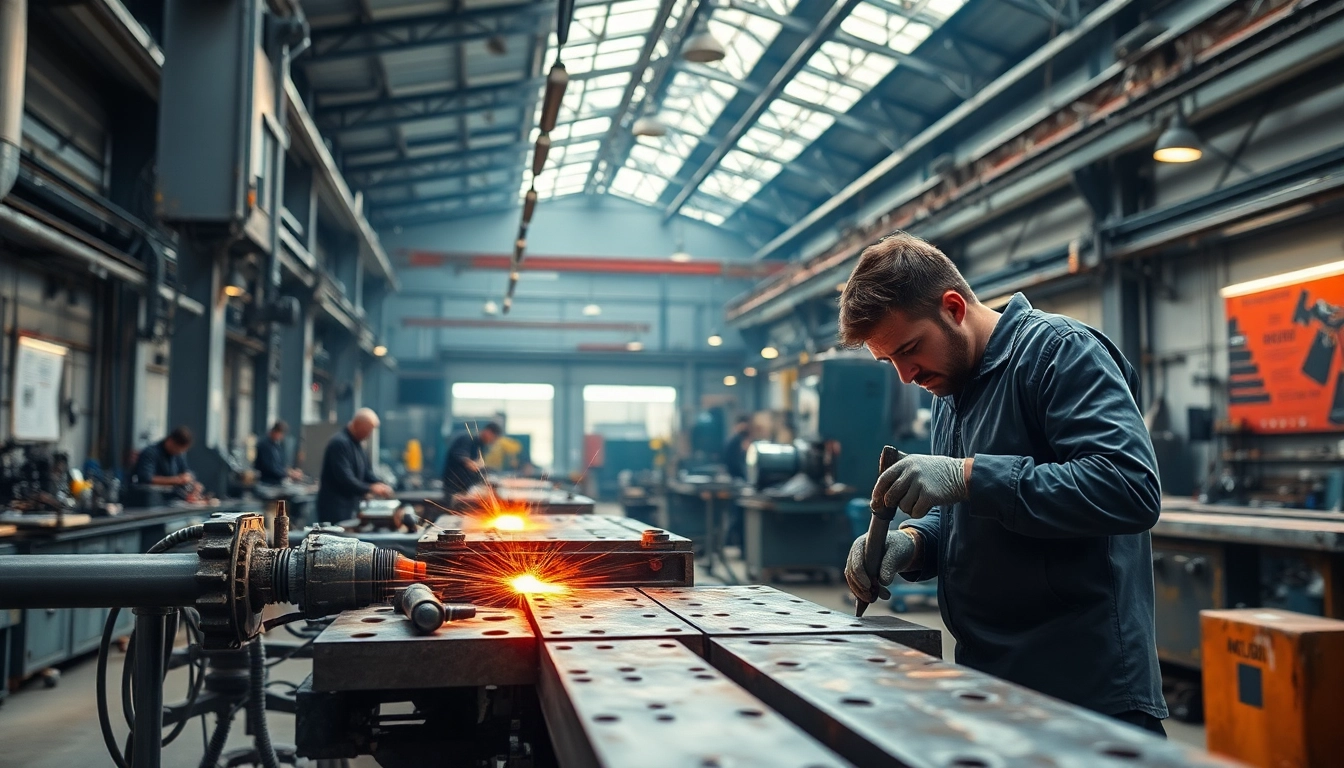
Welding is a critical process in custom steel fabrication, where metal parts are fused together through the application of heat. Various welding techniques include:
- MIG Welding: Metal Inert Gas (MIG) welding is widely used due to its speed and versatility. It's suitable for thin materials and allows for continuous welding.
- TIG Welding: Tungsten Inert Gas (TIG) welding offers greater precision and is often used for thinner materials or when aesthetic appearances matter.
- Stick Welding: Shielded Metal Arc Welding (stick welding) is a reliable method for thick materials and is often employed in construction projects.
Machining Processes in Custom Steel Fabrication
Machining processes are essential for achieving precise dimensions and finishing in custom steel fabrication. Key machining techniques include:
- Turning: This process involves rotating the steel piece against a cutting tool to create cylindrical shapes.
- Milling: Milling machines remove material from the steel surface, creating complex shapes and designs.
- Drilling: Drilling is used to create holes in steel components for assembly or functionality.
Finishing Techniques for Durable Custom Steel Fabrication
Finishing techniques are applied to protect the steel and enhance its appearance. Common finishing methods include:
- Coating: Protective coatings, such as powder coating or galvanization, prevent corrosion and wear.
- Polishing: Polishing enhances the visual quality of the steel, giving it a smooth, shiny surface.
- Sandblasting: This technique prepares surfaces for painting or coating by removing contaminants.
Selecting Materials for Custom Steel Fabrication
Common Materials Used in Custom Steel Fabrication
Choosing the right material is crucial in custom steel fabrication. Common materials include:
- Carbon Steel: Known for its strength and versatility, carbon steel is commonly used in structural applications.
- Stainless Steel: Its corrosion resistance makes stainless steel perfect for chemical and food processing industries.
- Aluminum: Lightweight yet sturdy, aluminum is ideal for applications where weight is a factor.
Factors Influencing Material Selection in Custom Steel Fabrication
Several factors affect the choice of material in custom steel fabrication:
- Application Requirements: The end use will dictate certain material properties, such as corrosion resistance or strength.
- Cost Considerations: Material costs vary, influencing the overall budget of a project.
- Availability: The availability of materials can affect timelines and project scope.
Sustainability Considerations in Custom Steel Fabrication Materials
Sustainability is increasingly important in the selection of materials for custom steel fabrication. Businesses can consider:
- Recyclability: Steel is highly recyclable, which reduces waste and lowers environmental impact.
- Energy Efficiency: Sustainable practices in sourcing and manufacturing can minimize carbon footprints.
- Life Cycle Assessment: Understanding the full impact of materials from production to disposal can guide sustainable decision-making.
Challenges and Solutions in Custom Steel Fabrication
Common Challenges Faced in Custom Steel Fabrication
While custom steel fabrication offers many benefits, several challenges can arise:
- Cost Overruns: Custom projects can sometimes exceed budget due to unforeseen complexities.
- Time Management: Fabrication timelines can be affected by equipment availability and supply chain issues.
- Quality Control: Ensuring each component meets rigorous quality standards can be challenging in custom projects.
Innovative Solutions for Custom Steel Fabrication Issues
Innovative approaches can help mitigate these challenges:
- Advanced Planning: Detailed project planning and risk assessments can help avoid cost overruns.
- Lean Manufacturing: Implementing lean principles can increase efficiency and reduce waste throughout the fabrication process.
- Quality Assurance Programs: Regular inspections and compliance checks ensure components meet quality standards.
Quality Control Practices in Custom Steel Fabrication
To maintain excellence in custom steel fabrication, several quality control practices are essential:
- Standard Operating Procedures: Clear SOPs ensure that every step of the fabrication process adheres to industry regulations.
- Testing and Inspection: Using NDT (non-destructive testing) methods to evaluate material integrity without causing damage.
- Feedback Loops: Gathering feedback during production can help identify issues early and enhance overall quality.
Future Trends in Custom Steel Fabrication
Automation and Technology in Custom Steel Fabrication
Emerging technologies are reshaping the landscape of custom steel fabrication:
- CNC Machining: Computer Numerical Control (CNC) machines enhance precision and efficiency in fabrication.
- Additive Manufacturing: Techniques like 3D printing are gaining traction, allowing for complex designs previously deemed impractical.
- Robotics: Automated welding and assembly processes are improving consistency and reducing labor costs.
Market Trends Affecting Custom Steel Fabrication
The market is changing, influencing how businesses approach custom steel fabrication:
- Increased Demand for Customization: Customers are increasingly seeking personalized solutions that cater to their specific needs.
- Global Supply Chain Dynamics: Fluctuations in global supply chains affect material costs and availability, necessitating adaptive strategies.
- Focus on Sustainability: Eco-friendly practices are becoming a priority for consumers and companies alike, pushing for sustainable fabrication processes.
The Role of Custom Steel Fabrication in Green Building Initiatives
Custom steel fabrication plays a key role in the pursuit of greener building practices:
- Utilization of Recyclable Materials: Many green building projects prioritize materials that can be recycled or are sustainably sourced.
- Energy-Efficient Designs: Custom fabrication can lead to designs that are optimized for energy efficiency, reducing the overall environmental footprint.
- Long-Lasting Structures: The durable nature of steel contributes to the longevity of structures, minimizing the need for replacements and repairs.