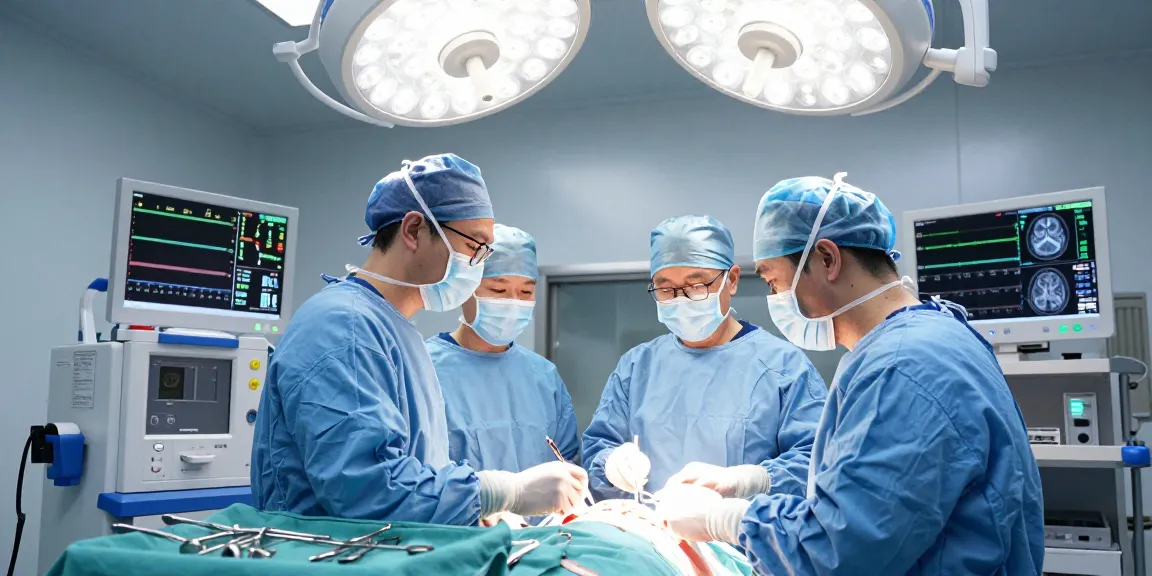
Understanding Beyin Ameliyatı
Beyin ameliyatı, the surgical intervention to address various neurological conditions, is a complex and sensitive procedure that requires diligent planning and expertise. As medical technology advances, the techniques used in these surgeries become more refined, allowing for better outcomes and reduced recovery times. This article aims to provide comprehensive insights into brain surgery, addressing common concerns and the various factors surrounding this critical medical procedure.
What is Beyin Ameliyatı?
Beyin ameliyatı refers to a range of surgical procedures performed on the brain to treat conditions such as brain tumors, hemorrhages, and other serious neurological disorders. The primary goal of these surgeries is often to remove or alleviate pressure caused by masses or bleeding in the brain while preserving as much healthy brain tissue as possible. Understanding the intricacies of this procedure, including what it entails and its potential risks, is crucial for patients and their families.
Types of Brain Surgeries
There are several types of beyin ameliyatı, each tailored to specific conditions and patient needs. Some of the most common types include:
- Brain Tumor Surgery: This involves the removal of tumors, which may be benign or malignant, utilizing techniques such as craniotomy or minimally invasive endoscopic approaches.
- Hemorrhage Surgery: In cases of brain bleeds, procedures such as burr hole drainage or craniectomy may be necessary to relieve pressure and remove accumulated blood.
- Awake Brain Surgery: This innovative technique allows surgeons to operate on critical brain areas while the patient is awake, enabling real-time assessment of responses and functionality.
Indications for Surgery
Understanding when beyin ameliyatı is necessary is vital. Common indications include:
- Presence of a brain tumor that is symptomatic or growing.
- Significant brain hemorrhage leading to increased intracranial pressure.
- Severe epilepsy that is not responsive to medication.
Preparing for Beyin Ameliyatı
Effective preparation is essential for a successful outcome from brain surgery. This phase typically involves extensive assessments and patient education. When exploring options, Beyin ameliyatı provides comprehensive insights that can help inform patients about what to expect.
Pre-Operative Assessments
Before undergoing surgery, patients must undergo thorough pre-operative evaluations, which may include:
- Imaging tests (CT, MRI) to assess the brain's condition.
- Blood tests to evaluate general health.
- Consultations with various specialists (neurologists, anesthesiologists) to ensure readiness for surgery.
Patient Education on Procedures
Educating patients about the procedure, recovery expectations, and potential risks plays a pivotal role in alleviating anxiety and fostering a cooperative environment between the medical team and the patient.
Addressing Patient Concerns
Patients should be encouraged to voice any concerns or questions they may have regarding the surgical process, preparation, or recovery. This dialogue can help in adjusting surgical plans and ensuring a more comfortable experience.
The Surgical Process of Beyin Ameliyatı
The surgical procedure for beyin ameliyatı typically consists of the following stages:
Step-by-Step Surgical Procedure
The actual surgery involves several key steps, tailored to the specific condition being treated. Generally, the process includes:
- Administration of anesthesia to ensure patient comfort.
- Making an incision to access the brain (in the case of craniotomy).
- Careful manipulation of brain tissue to remove or repair the underlying issue.
- Closing the incision with sutures or staples.
Technological Advances in Neurosurgery
Modern neurosurgery has benefited immensely from technological advancements, including:
- Improved imaging techniques, such as intraoperative MRI for real-time guidance.
- Minimally invasive surgical tools that aim to reduce recovery time and complications.
- Robotic-assisted surgeries allowing for enhanced precision.
Potential Risks and Complications
As with any surgical procedure, beyin ameliyatı carries risks such as infection, bleeding, or neurological deficits. It is crucial for the surgical team to discuss these risks openly with the patient before proceeding.
Recovery and Aftercare Post-Beyin Ameliyatı
Post-operative recovery for beyin ameliyatı is multi-faceted, involving physical, mental, and emotional rehabilitation.
What to Expect After Surgery
After the surgery, patients can expect a range of post-operative symptoms, which may include:
- Fatigue and drowsiness due to anesthesia.
- Changes in cognitive function, including memory issues.
- Possible headaches or pain in the surgical area.
Rehabilitation and Support Systems
Recovery often involves physiotherapy, occupational therapy, and psychological support to aid comprehensive recovery. Patients should engage in regular follow-up appointments to monitor their progress.
Managing Post-Surgical Symptoms
Effective management of post-surgical symptoms is vital. This can involve medication to control pain and strategies to handle any cognitive challenges, ensuring that patients regain function swiftly and effectively.
Cost and Accessibility of Beyin Ameliyatı
The financial aspect of beyin ameliyatı can vary widely based on several factors, which are important for patients to consider when planning for surgery.
Factors Affecting Costs
Several key elements influence the costs associated with brain surgery:
- The complexity of the surgical procedure.
- The hospital's location and the surgeon's expertise.
- Insurance coverage and specific policy stipulations.
Insurance Coverage Insights
Understanding the intricacies of health insurance coverage for beyin ameliyatı can lead to significant financial savings. Patients should consult with their insurance providers to clarify what is covered and what out-of-pocket costs may arise.
Financial Assistance Options
For patients facing high costs, various financial assistance programs may be available. Hospitals often have resources or financial counselors who can help navigate these options.
What are the main risks associated with Beyin Ameliyatı?
The risks include infection, bleeding, neurological deficits, and adverse reactions to anesthesia. A thorough risk assessment and strong communication between the patient and the surgical team can help mitigate these risks.
How long does recovery from Beyin Ameliyatı take?
Recovery time can vary; however, patients typically notice improvements within a few weeks, with full recovery taking anywhere from several months to a year.
What type of aftercare is needed after brain surgery?
Aftercare can include rehabilitation services, regular medical check-ups, and support from physical and occupational therapists to assist in regaining functionality.
How do I choose the right neurosurgeon for Beyin Ameliyatı?
Choosing a neurosurgeon involves looking at their qualifications, experience, and patient reviews. Consultations can provide insight into their approach and whether they are a good fit for your needs.
Is Beyin Ameliyatı covered by insurance?
Coverage for beyin ameliyatı varies by insurance provider and policy. For more information, Beyin ameliyatı offers valuable insights. It's crucial to review your insurance plan details and speak directly with your provider for accurate information.