Understanding the Basics of Political Fundraising
Political fundraising is a crucial aspect of any successful campaign, providing the financial backbone necessary to reach voters, communicate messages, and ultimately secure votes. Central to this process is the understanding of how to raise money for a political campaign effectively. The nuances of fundraising can make or break a candidate's chances of success, making it imperative to grasp the essentials, from regulatory compliance to strategic methods.
What Does It Mean to Raise Money for a Political Campaign?
Raising money for a political campaign involves gathering financial support from various sources to fund campaign activities, which include advertising, staffing, events, and outreach. This financial support is vital for candidates to effectively communicate their vision, build a brand, and engage with constituents. A strong fundraising strategy enables campaigns to maximize their outreach and influence on potential voters.
Key Regulations and Compliance for Political Fundraising
Understanding the regulatory landscape surrounding political fundraising is essential for any campaign. The Federal Election Commission (FEC) sets strict guidelines on fundraising, including contribution limits, donor disclosures, and acceptable funding sources. Campaigns must maintain accurate records and ensure compliance with all federal and state laws to avoid penalties. Familiarizing yourself with these regulations early in the planning stage can save a campaign from legal troubles that could derail its efforts.
Common Misconceptions About Political Donations
Many candidates harbor misconceptions about political donations, such as the belief that only wealthy individuals can contribute significantly. In truth, grassroots fundraising, small donations, and community support play a critical role in many successful campaigns. Understanding the varying dynamics of political contributions can open doors to a wider pool of potential donors.
Effective Methods for Raising Money
Building a robust financial foundation requires utilizing effective methods tailored to the campaign's audience and goals. One of the best ways to start is by leveraging quality voter data for tailored fundraising appeals. For example, using targeted voter files helps identify individuals who are more likely to support a specific candidate based on their demographics and previous voting behavior. When exploring options, how to raise money for a political campaign can be significantly enhanced through strategic data utilization.
Utilizing Voter Data for Tailored Fundraising Appeals
Successful campaigns begin with an understanding of their voter base. By analyzing comprehensive voter profiles, campaigns can tailor their messaging to resonate with the needs and interests of potential donors. For instance, campaigns can segment their target audiences by demographics, such as age, income, and voting history, enabling personalized outreach that stands a higher chance of success. This data-driven approach not only improves fundraising outcomes but also fosters stronger connections with the electorate.
Organizing Fundraising Events: Tips and Best Practices
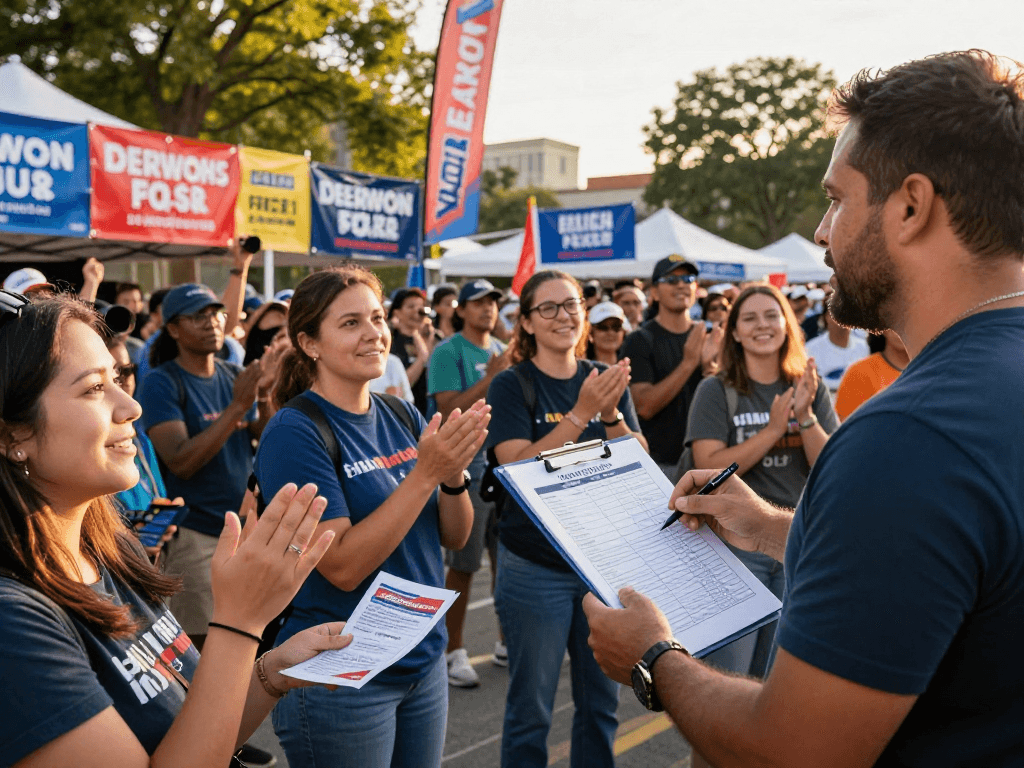
Fundraising events can be lucrative opportunities for candidates to engage with supporters and raise substantial funds. Whether through dinners, rallies, or online events, the key to successful fundraising is organization and engagement. Best practices include selecting the right venue, creating an inviting atmosphere, promoting the event across multiple channels, and ensuring clear, compelling messaging about the campaign's goals. Additionally, incorporating interactive elements like auctions or guest speakers can enhance donor engagement.
Leveraging Digital Platforms for Online Fundraising
In today's digital age, online fundraising has become a vital part of any campaign strategy. Utilizing platforms such as social media, crowdfunding websites, and email campaigns can significantly broaden a campaign's reach. Furthermore, optimizing online donation processes, ensuring user-friendly interfaces, and creating engaging content can increase the likelihood of receiving donations. Regularly updating supporters about campaign progress and specific needs fosters a sense of community and encourages ongoing contributions.
Creating a Compelling Fundraising Strategy
A comprehensive fundraising strategy is essential for a successful political campaign. By outlining clear goals and methods, candidates can ensure their fundraising efforts align with their overall objectives and messaging.
Drafting a Fundraising Plan Based on Your Campaign Goals
Establishing a fundraising plan involves setting realistic financial targets based on the scope and goals of the campaign. Factors to consider include the electoral landscape, anticipated expenses, and prior fundraising successes. By developing a timeline and identifying key milestones, candidates can track their progress and adapt strategies as needed. Incorporating various touchpoints and donor engagement strategies into this plan can strengthen the campaign's fundraising efforts.
Crafting Your Message: What Appeals to Voters?
The message conveyed during fundraising initiatives is critical to securing donations. Candidates need to effectively communicate their vision, values, and how funds will be utilized to benefit constituents. A clear, passionate message that resonates with voters can motivate them to contribute their financial resources, reinforcing the importance of the candidate's mission and goals. Utilizing storytelling techniques and personal anecdotes can help connect with potential donors on a deeper level.
Engaging Your Network: Building Relationships for Support
Building a robust network of supporters is vital for any successful fundraising strategy. Engaging with past supporters, local organizations, and community leaders can create a foundation for sustained financial support. Regularly communicating with these stakeholders, recognizing their contributions, and ensuring they feel valued fosters long-term relationships that can benefit the campaign not only financially but also in terms of community engagement.
Tracking Success and Measuring Impact
After implementing fundraising strategies, it's essential to track progress and assess the effectiveness of various initiatives. This can inform future strategies and improve overall fundraising outcomes.
Key Performance Indicators for Fundraising Efforts
Defining key performance indicators (KPIs) for fundraising activities allows campaigns to evaluate their success in real-time. Common KPIs include total funds raised, number of donations, average donation size, and donor retention rates. By regularly reviewing these metrics, candidates can determine which fundraising tactics are yielding results and where adjustments may be necessary.
How to Adjust Strategies Based on Fundraising Data
Analyzing fundraising data provides invaluable insights for refining strategies. If certain appeals or methods show less success, campaigns should be prepared to pivot and explore alternative approaches. Regularly testing different messages, outreach methods, and donor engagement techniques ensures the fundraising strategy remains dynamic and responsive to both successes and challenges.
Communicating Success to Your Supporters and Donors
Maintaining transparency and open communication with donors is critical for building trust and encouraging future contributions. Regularly sharing updates on fundraising successes and how funds are being utilized satisfies contributors' need to see the impact of their support. Celebrating milestones, thanking donors publicly, and providing insight into future goals reinforces the relationship between the campaign and its supporters.
Future Trends in Political Campaign Fundraising
The political fundraising landscape is ever-evolving, with new trends emerging that offer opportunities for innovation and improved engagement.
Embracing Technology: Innovations in Fundraising Tools
As technology continues to evolve, so too do fundraising strategies. The integration of artificial intelligence, social media algorithms, and data analytics tools are changing how campaigns approach fundraising. New platforms enable real-time donor engagement, personalized outreach, and sophisticated analytics that enhance the overall fundraising experience. Keeping abreast of these technological advancements is crucial for campaigns looking to optimize their fundraising efforts.
Understanding Voter Behavior Changes Post-2026 Elections
As voter behavior shifts and demographics change, campaigns must adapt their fundraising strategies accordingly. Insights gained from previous elections will inform best practices, but continuous research will be essential to staying aligned with voter expectations and preferences. Analyzing voter turnout, engagement patterns, and campaign response will help shape effective fundraising efforts moving forward.
Preparing for the Next Election Cycle: What to Expect
With each election cycle, campaigns must be prepared for new challenges and opportunities. Anticipating shifts in voter sentiment, political landscapes, and fundraising regulations will ensure that campaigns are well-equipped to secure funding. Candidates should also be ready to leverage past experiences, analyze new data, and create innovative strategies to resonate with voters in the next election cycle.
What are the best practices for raising money for a political campaign?
Best practices for raising money include utilizing voter data to personalize appeals, maintaining transparency with funds, engaging with local organizations, and continuously analyzing fundraising performance. Adapting to stakeholder feedback cultivates an environment conducive to success.
How can I use social media to raise money for my campaign?
Social media platforms can be leveraged to create compelling fundraising content, engage directly with supporters, and drive donations through targeted ads and promotions. Consistency in messaging and regular interaction with followers enhances fundraising outcomes.
What regulations should I be aware of in political fundraising?
Candidates must be aware of FEC regulations and state-specific laws regarding fundraising limits, disclosure requirements, and acceptable funding sources. Compliance is critical to avoid legal issues during campaigns.
How important is donor engagement in fundraising success?
Donor engagement is vital to building long-lasting relationships that lead to continued support. Regular communication, recognition of contributions, and transparency about campaign efforts are paramount to strengthening donor relationships.
What tools can help track my fundraising efforts effectively?
Various tools, including donor management software, analytics platforms, and campaign management systems, can help track fundraising efforts effectively. These tools provide insights into donor behavior and overall fundraising performance, enabling campaigns to make data-driven decisions.