
The Rise of Tuk Tuk Racing in Africa
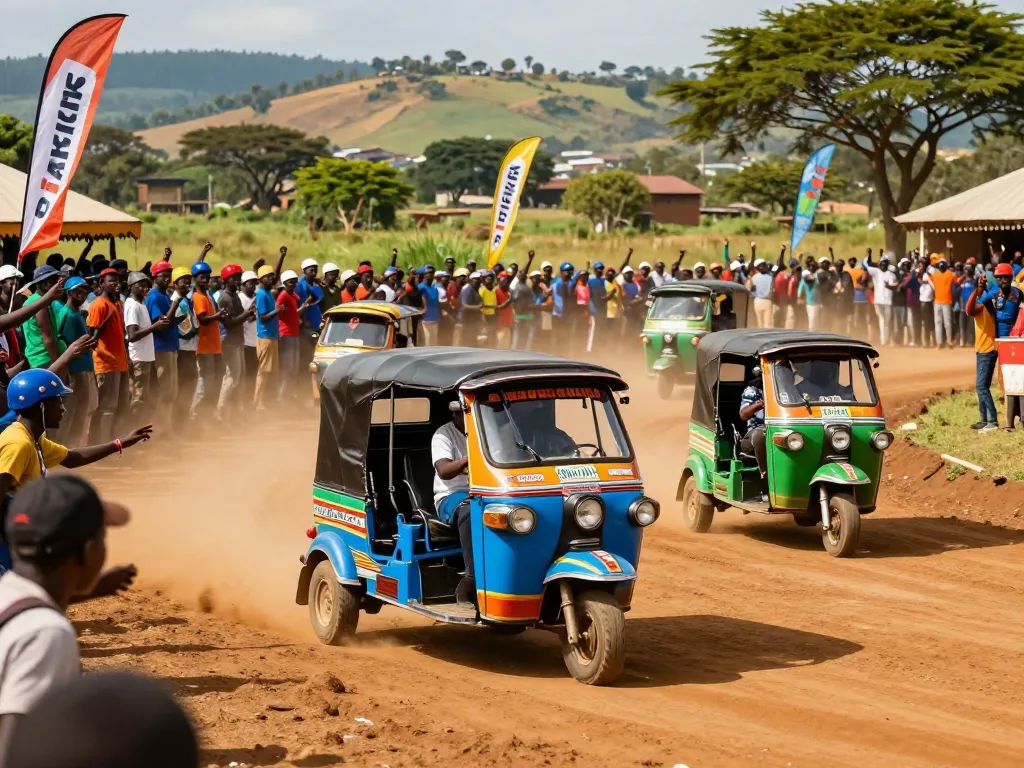
Tuk tuk racing in Africa is not just a sport; it is a cultural phenomenon that encapsulates the spirit of adventure and community in various regions of the continent. Originating from the iconic three-wheeled vehicles known for their vibrant colors and nimble maneuverability, tuk tuk racing has gained unprecedented popularity, showcasing the thrilling aspects of African motorsport. The blend of competition, creativity, and cultural identity has turned these races into exciting events that draw large crowds and foster local pride. For more insights, explore the world of tuk tuk racing africa, where the adrenaline rush meets the essence of African tradition.
History and Origins of Tuk Tuk Racing
The roots of tuk tuk racing can be traced back to the introduction of tuk tuks in various African countries, primarily as an affordable means of transportation. However, as the popularity of these vehicles surged, so did the interest in racing them. Initially, the races were informal gatherings where local drivers showcased their skills and had fun, but over time, they evolved into organized events that attracted competitors from different regions.
In countries like Kenya, the dokas (as they are known) began racing on streets, often turning daily commutes into thrilling races. Local communities would gather to watch and cheer, making these events a significant part of the cultural fabric. These impromptu races laid the groundwork for more structured competitions, which now feature regulated formats and designated racing venues.
Growth of the Sport in Various African Nations
As tuk tuk racing continued to capture the imagination of local populations, countries like Uganda, Tanzania, and Zambia began hosting their own events. Each country infused its unique cultural elements into the races, from vibrant music and local food stalls to colorful displays of traditional dress. This has fostered a sense of camaraderie among participants and fans alike.
The sport's growth is also fueled by social media, with events being streamed online and shared widely, attracting a broader audience. Moreover, tourism boards have recognized the potential of tuk tuk racing as a tourist attraction, helping to promote events internationally while boosting local economies.
Community Engagement and Cultural Significance
At its core, tuk tuk racing brings together people from various backgrounds, promoting inclusivity and community spirit. These races often serve as a platform for local drivers to gain recognition and showcase their talents. Additionally, many events are organized to support charitable causes, further solidifying the bond between racers and their communities.
Moreover, the cultural significance of these races is profound. They often celebrate local heritage through themed events that highlight traditional dances, music, and cuisine, creating a vibrant atmosphere that resonates with both participants and spectators. This cultural interplay helps to maintain local traditions while embracing the modernity of motorsport.
The Racing Experience: What to Expect
Participating in or attending a tuk tuk race offers an exhilarating experience filled with anticipation, excitement, and unpredictability. Each event typically features multiple races, varying formats, and numerous participants, all eager to claim the title of champion.
Typical Race Formats and Regulations
Races usually take place on closed circuits or specified routes, allowing drivers to demonstrate their skills in a safe environment. The format can vary, from time trials where drivers compete for the best lap times to elimination rounds where the last finishers are gradually weeded out. Regulations around safety gear, vehicle modifications, and racing conduct are strictly enforced to ensure fair competition.
In addition, many events require drivers to undergo training sessions and workshops to enhance their driving skills and learn the rules of the road, emphasizing the importance of safety in motorsport.
Fan Involvement and Spectator Experience
Fans play a crucial role in the tuk tuk racing scene. The energy and excitement generated by enthusiastic supporters contribute significantly to the overall atmosphere of the events. Spectators often engage in cheering for their favorite drivers, while local vendors set up stalls selling food and merchandise, making the experience more festival-like.
Organizers are also increasingly incorporating fan interaction elements, such as meet-and-greets with drivers and opportunities to try out tuk tuks, allowing fans to get closer to the action and feel part of the community.
Understanding the Vehicles: Design & Performance
One of the fascinating aspects of tuk tuk racing is the design and performance of the vehicles themselves. While the basic structure remains similar across the board, many drivers customize their tuk tuks for enhanced speed and handling. Modifications can include lightweight materials, improved suspension systems, and powerful engines to improve overall performance.
Drivers often take immense pride in the aesthetic of their tuk tuks as well, decorating them with vibrant colors and intricate designs, which adds an exciting visual element to the races.
Top Tuk Tuk Racing Events in 2026
The excitement surrounding tuk tuk racing is set to escalate in 2026, with several key events on the calendar that enthusiasts won't want to miss. These races promise to deliver thrilling competition, rich cultural experiences, and unforgettable memories.
Annual Races to Watch This Year
Major annual events include the Mombasa Tuk Tuk Race and the Kampala Tuk Tuk Challenge, both known for their vibrant atmospheres and competitive spirit. These events attract participants from across the region and often see significant media coverage, increasing their appeal.
The calendar for 2026 also includes the inaugural African Tuk Tuk Championship, aiming to unite racers from different countries in a bid to crown the continent's finest tuk tuk driver.
Highlights from Recent Competitions
Highlight reels from recent tuk tuk races showcase nail-biting finishes, dramatic overtakes, and the sheer joy of competition. Competitors have been known to form alliances during races, adding another layer of strategy to the sport.
Furthermore, the rise of women drivers in tuk tuk racing has been remarkable, breaking gender stereotypes and inspiring future generations of racers. Celebratory races featuring women drivers have garnered significant attention, demonstrating the sport's inclusive nature.
Notable Drivers and Teams to Follow
As the sport evolves, some drivers and teams have begun to stand out due to their exceptional skills and charismatic personalities. Names like Juma Mwangi from Kenya and Aisha Ssekandi from Uganda are becoming household names, drawing attention to their racing endeavors and helping to elevate the sport's profile.
Teams that emphasize community engagement and sustainability are also gaining traction, merging performance with purpose in their approach to racing.
Challenges Facing Tuk Tuk Racing in Africa
Despite its rapid growth, tuk tuk racing in Africa faces several challenges that could impact its future. Addressing these issues is crucial for ensuring the long-term viability and success of the sport.
Infrastructure and Safety Concerns
One of the significant challenges is the lack of suitable racing infrastructure. Many events take place on makeshift tracks, which may not meet proper safety standards. This poses risks not only to drivers but also to spectators. Investing in proper venues and safety measures must be a priority for organizers.
Moreover, ensuring that all vehicles adhere to safety regulations is essential for minimizing accidents and promoting responsible racing.
Environmental Impact of Racing
Races can also have an environmental impact, particularly concerning noise pollution and roadway degradation. Educating drivers and event organizers on sustainable practices is vital to minimizing the ecological footprint of tuk tuk racing.
Integrating green technologies, such as electric tuk tuks, could pave the way for a more environmentally conscious racing scene.
Maintaining Cultural Authenticity Amid Growth
As tuk tuk racing becomes more commercialized, there is a risk of losing the cultural significance that initially characterized the sport. Balancing modernity with tradition is crucial for preserving the essence of tuk tuk racing.
Engaging local communities in the organization of events can help maintain authenticity while also allowing for innovation and growth.
The Future of Tuk Tuk Racing in Africa
The future of tuk tuk racing in Africa looks promising, with opportunities for expansion and professionalization on the horizon. With increased interest from both locals and tourists, the potential for growth is immense.
Trends and Predictions for 2026 and Beyond
In 2026, we can anticipate a surge in international interest in tuk tuk racing, with more nations looking to host cross-border events. This interest is likely to attract sponsors and investors, further elevating the sport's profile.
Additionally, the integration of technology in the form of live streaming and data analytics could enhance viewer engagement and improve the racing experience for drivers and fans alike.
Potential for International Competitions
The increasing popularity of tuk tuk racing could pave the way for international competitions, drawing competitors from countries beyond Africa. Collaborations with global racing organizations may lead to more professional standards, which could benefit the sport in various ways.
How Technology is Shaping the Sport
Technology is playing a significant role in the evolution of tuk tuk racing, from enhancing vehicle performance to improving the organization of events. Innovations such as mobile apps for tracking race progress and enhancing viewer experience are becoming more common.
Moreover, the use of social media platforms for marketing events and engaging fans has successfully broadened the reach of tuk tuk racing, inviting new audiences to explore this exciting sport.
What are the health benefits of tuk tuk racing?
Participating in tuk tuk racing can offer various health benefits including improved reflexes, increased cardiovascular endurance, and enhanced mental agility. The fast-paced nature of racing requires focus, quick decision-making, and physical stamina, contributing positively to the participants' overall well-being.
How is tuk tuk racing promoting tourism in Africa?
Tuk tuk racing events are increasingly becoming significant tourist attractions, drawing visitors who seek adventure and cultural experiences. By promoting local events, countries can showcase their unique traditions while boosting their economies through tourism.
Can tuk tuk racing become a professional sport?
With the right investments and infrastructure, tuk tuk racing has the potential to transition into a professional sport. Establishing leagues, sponsorship opportunities, and media coverage could help elevate the status of tuk tuk racing, attracting more serious competitors.
What are the safety measures in place for tuk tuk racing?
Safety measures in tuk tuk racing include compliance with vehicle regulations, mandatory wearing of helmets, and the presence of medical teams during events. Organizers are also encouraged to conduct safety workshops for drivers to ensure everyone understands the importance of maintaining a safe racing environment.
How can I participate in tuk tuk racing events?
To participate in tuk tuk racing events, individuals can reach out to local racing organizations or attend training sessions that are often held prior to events. Registration for races typically includes providing a modified tuk tuk that complies with competition standards and fulfilling any necessary safety regulations.