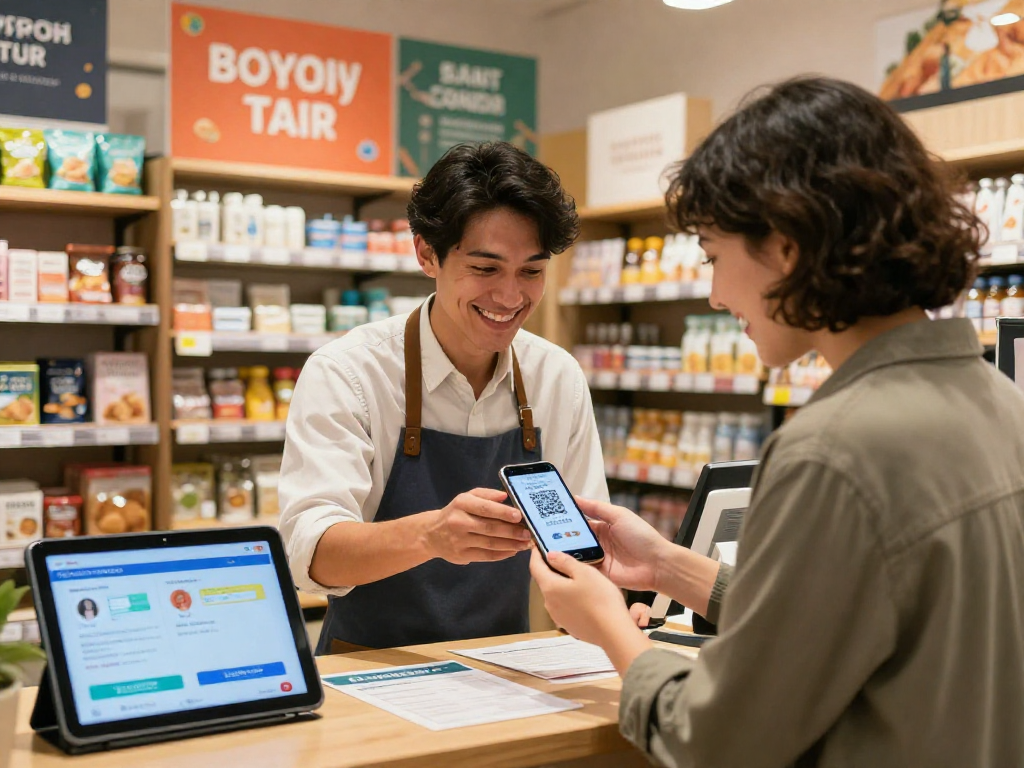
Understanding the Loyalty Application Ecosystem
In the ever-evolving retail landscape of 2026, small businesses face an uphill battle in building and maintaining customer loyalty. As competition intensifies, the adoption of a loyalty application can be the key to not only retaining customers but also driving new ones to your business. This technology fosters a personal relationship with customers, enhancing their overall experience and encouraging repeat visits.
What is a loyalty application?
A loyalty application is a digital tool designed to reward customers for their repeat business. These applications facilitate the accumulation of points, rewards, or discounts based on customer purchases or visits. Typically, they allow users to track their points conveniently, view available rewards, and receive personalized offers directly on their mobile devices. This convenience and real-time interaction foster a deeper connection between customers and businesses.
The role of technology in modern loyalty programs
Technology plays a vital role in the effectiveness of loyalty programs. With the integration of QR codes, mobile apps, and cloud-based systems, businesses can create a seamless experience for their customers. Digital platforms allow for instant communication, enabling businesses to notify customers about promotions, reminders, or their current point status. Furthermore, data analytics powered by these technologies provide insights into customer behavior, allowing businesses to tailor their offerings and improve customer satisfaction.
Types of loyalty applications for small businesses
- Points-Based Programs: Customers earn points for each transaction, which can be redeemed for discounts or free products.
- Tiered Programs: These reward customers based on spending levels, encouraging them to reach higher tiers for better rewards.
- Cashback Programs: Customers receive a percentage of their spending back as a form of reward.
- Stamp Cards: Digital or physical cards that get stamped or marked for each purchase, unlocking rewards after a set number of visits.
Why Your Small Business Needs a Loyalty Application
Incorporating a loyalty application into your business model is not just beneficial—it's essential for growth. Studies have shown that acquiring a new customer can cost five times more than retaining an existing one, making loyalty programs a cost-effective strategy. Beyond cost savings, loyalty applications enhance customer engagement by creating personalized shopping experiences that increase satisfaction and retention.
Benefits of implementing a loyalty application
- Increased Customer Retention: Loyal customers are more likely to return, resulting in repeat business.
- Enhanced Customer Insights: Data collected through loyalty apps helps businesses understand purchasing habits, allowing for tailored marketing efforts.
- Cost-Effective Marketing: Automated marketing features of loyalty programs help save on advertising costs while maximizing customer reach.
- Improved Customer Experience: Streamlining the rewards process enhances customer satisfaction, encouraging positive reviews and referrals.
Common misconceptions about loyalty programs
Many small business owners hold misconceptions about loyalty programs, believing they are too costly or complex to implement. In reality, modern loyalty applications like BonusQR can be set up easily and are cost-effective, with scalable options suitable for any budget. Furthermore, the impact of a well-run loyalty program often outweighs initial investments through increased sales and customer retention.
How loyalty applications enhance customer engagement
Engagement through loyalty applications is multifaceted. Not only do they create incentives for customers to return, but they also facilitate communication and feedback. Push notifications about promotions, personalized offers based on purchase history, and automated birthday rewards can keep your brand at the forefront of your customers' minds.
Features to Look for in a Loyalty Application
Choosing the right loyalty application for your business is crucial for maximizing its effectiveness. Here are essential features to consider when selecting a loyalty program:
Essential functionalities every loyalty app should have
- User-friendly Interface: A simple and intuitive design ensures customers can navigate and utilize the app seamlessly.
- Reward Tracking: Customers should easily view and track their points and rewards in real time.
- Promotion Management: The ability to create and manage promotional campaigns within the platform is essential for marketing efficiency.
Customization and branding options
Every business has a unique identity, and your loyalty application should reflect that. Look for platforms that allow customization of logos, color schemes, and reward structures to align with your brand image. Customization fosters a more personal connection with customers, which can drive brand loyalty.
Analytics and insights capabilities
Robust analytics tools are essential for measuring the success of your loyalty program. Look for applications that provide insights into customer behavior, purchase patterns, and program effectiveness. These insights can help you adapt your marketing strategies and improve customer satisfaction over time.
Setting Up Your Loyalty Application
Launching a loyalty application involves several strategic steps that ensure a successful rollout and adoption among your customers. Follow these steps for an effective launch of your loyalty program:
Step-by-step guide to launching a loyalty program
- Define Your Goals: Establish clear objectives for your loyalty program, such as increasing customer retention or driving higher average transaction values.
- Select the Right Platform: Research and choose a loyalty application that matches your business needs and budget.
- Design Your Reward Structure: Decide on the types of rewards you will offer and how customers will earn them.
- Create Marketing Materials: Develop promotional materials to announce your new loyalty program.
- Launch and Promote: Announce your loyalty program to customers through in-store signage, social media, and email newsletters.
Strategies for effective onboarding of customers
Proper onboarding is key to ensuring customer adoption of your loyalty application. Consider the following strategies:
- Simplify Registration: Make the onboarding process quick and easy, with options to register via email or social media accounts.
- Provide Incentives: Offer a welcome bonus or initial points for signing up to encourage registration.
- Educate Customers: Use tutorials or quick reference guides to explain how the loyalty program works, emphasizing the benefits of participation.
Promoting your loyalty application for maximum reach
Once your loyalty program is live, ongoing promotion is crucial for its success. Leverage multiple channels including social media, email marketing, and in-store signage to keep customers informed about the program and its benefits. Regularly showcase the rewards and promotions available to keep engagement high.
Measuring the Success of Your Loyalty Program
Effectively measuring the performance of your loyalty application is essential to understand its impact and make necessary adjustments. Use the following strategies to evaluate your loyalty program:
Key performance indicators for loyalty applications
- Customer Retention Rate: Measure how many customers return after their first purchase.
- Redemption Rates: Track how often customers redeem points or rewards, indicating the program's effectiveness.
- Average Transaction Value: Analyze whether your loyalty program is helping to increase the amount spent per visit.
Gathering customer feedback and insights
Customer feedback is invaluable for refining your loyalty program. Implement surveys or feedback forms within the application to understand user experiences and preferences. This direct input can guide modifications to the program to better meet customer needs.
Adapting your strategy based on performance metrics
Based on the data collected, make informed decisions to adapt your loyalty program. If certain rewards are not being redeemed, consider changing or enhancing them. Continual improvement based on customer feedback and performance metrics will help sustain interest and engagement.
What are the costs involved in setting up a loyalty application?
The costs associated with launching a loyalty application can vary widely based on the features and complexities involved. Consider setup fees, ongoing subscription costs, and potential costs tied to promotional materials. However, the return on investment often justifies the expense through increased customer loyalty and engagement.
How can I ensure my loyalty application is GDPR compliant?
When handling customer data, compliance with GDPR is critical. Ensure your loyalty application has robust data protection measures in place, including customer consent for data collection, clear privacy policies, and secure data storage practices. Consulting with a legal expert can provide additional assurance.
What innovative features are emerging in loyalty applications for 2026?
As technology advances, loyalty applications are becoming more sophisticated. For more information, loyalty application offers valuable insights. Expect to see features such as artificial intelligence-driven personalized recommendations, augmented reality experiences in-store, and even blockchain technology for secure transactions and transparency. Keeping pace with these innovations can give your business a competitive edge.