Introduction to the Bitcoin Price Live Chart
The bitcoin price live chart serves as a vital tool for anyone involved in cryptocurrency trading. It provides real-time data on Bitcoin’s value and allows traders to make informed decisions based on current market movements. Understanding how to interpret these charts is crucial for effectively analyzing market trends and forecasting potential price changes.
What is a Bitcoin Price Live Chart?
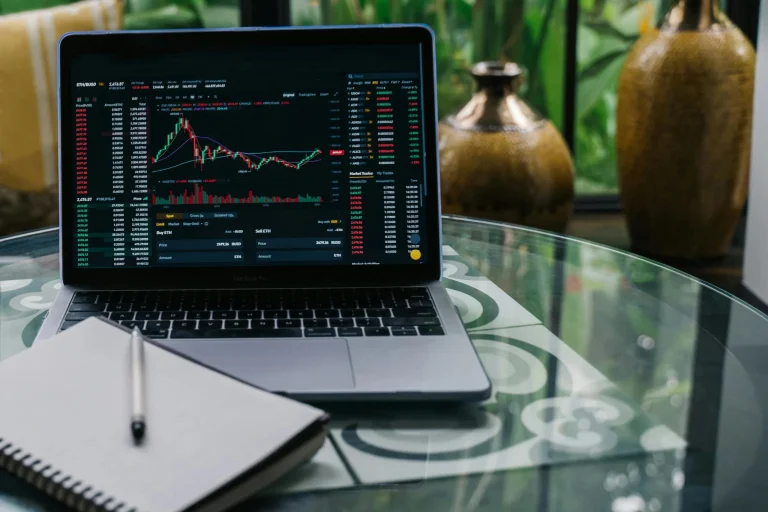
A Bitcoin price live chart is a graphical representation that displays Bitcoin's current market price over time. These charts are typically updated in real-time, providing an accurate snapshot of the coin’s performance. Traders and investors utilize these charts to monitor price fluctuations, visualize patterns, and determine optimal entry or exit points for trades.
Importance of Live Charts in Cryptocurrency Trading
Live charts are indispensable in cryptocurrency trading as they offer immediate insights into market behavior. Unlike static charts which provide historical data, live charts enable traders to observe trends as they develop. This immediacy is crucial for executing trades in a volatile market, where prices can shift dramatically within minutes or even seconds. Well-informed trading strategies often depend on the accurate interpretation of these real-time price movements.
How to Read a Bitcoin Price Live Chart
Reading a Bitcoin price live chart may seem daunting initially, but it becomes intuitive once you understand its components. The primary elements include:
- Price Axis: Displays Bitcoin's price on the vertical axis.
- Time Axis: Reflects the time period on the horizontal axis, showing how Bitcoin’s price has changed over that time.
- Price Line: Connects closing prices over time and helps in identifying trends.
- Indicators and Metrics: These may include moving averages, RSI, and volume bars that provide additional trading insights.
Key Features of Bitcoin Price Live Charts
Candlestick Patterns Explained
Candlestick patterns are a popular method of analyzing price movements. Each "candle" represents a specific time frame and displays the opening, closing, highest, and lowest prices within that period. Traders look for specific formations, such as "bullish engulfing" or "doji" patterns, to predict potential market movements. Understanding these patterns can significantly enhance trading strategies by providing visual cues about market sentiment.
Volume Indicators: What They Mean
Volume indicators represent the number of Bitcoin traded over a given time period. High trading volume often confirms the strength of a price movement, while low volume may indicate potential volatility. In trading strategies, volume can serve as a confirmation tool—if a price movement is accompanied by high volume, it is typically seen as more reliable. Conversely, price changes with low volume may signal a potential reversal.
Time Frames and Their Significance
The time frame of a live chart can vary from minutes to weeks, and each period provides distinct insights. Shorter time frames (e.g., 1-minute or 5-minute charts) are suitable for day traders looking for quick intraday profit, while longer time frames (e.g., daily or weekly charts) help long-term investors assess broader trends. Selecting the right time frame based on one’s trading strategy is essential for developing a successful approach to Bitcoin trading.
Utilizing Bitcoin Price Live Charts for Trading
Strategies for Making Informed Decisions
To leverage live charts effectively, traders should implement various strategies. Combining different technical indicators can bolster decision-making. For instance, using moving averages alongside RSI can help identify potential entry points. Additionally, placing trades at support and resistance levels observed on the live chart can enhance profitability. It’s also beneficial to consider fundamental analysis in conjunction, such as news events affecting Bitcoin's price.
Risk Management Techniques Using Live Charts
Effective trading always incorporates risk management strategies. Implementing stop-loss orders can limit losses if Bitcoin prices move unfavorably. Additionally, position sizing is important; traders should only risk a small percentage of their capital on each trade. Using live charts to monitor changes in volatility can also inform adjustments to stop-loss levels and position sizes, thus safeguarding investments against significant market swings.
Common Mistakes to Avoid
Some common mistakes traders make with live charts include failing to analyze enough data or relying exclusively on one indicator. It is essential to consider multiple factors and avoid overtrading based on emotional reactions to market changes. Additionally, neglecting to maintain a trading journal can hinder performance analysis and improvement. By being aware of these pitfalls, traders can refine their approach and enhance their outcomes.
Analyzing Historical Data Through Live Charts
Understanding Market Trends Over Time
Historical analysis is a critical component of trading strategy. By examining past price movements through live charts, traders can identify patterns and trends that often repeat. Factors influencing price changes include seasonal variations in trading volume and significant market events. Observing these seasonalities can provide traders with an edge in anticipating future price movements.
Utilizing Historical Data for Future Predictions
Live charts also allow for the analysis of historical volatility and price action to create predictive models. By studying past performance during similar market conditions, traders can make educated guesses about future price movements. Correlating technical indicators with historical data enhances accuracy in predictions and can lead to more successful trades over time.
Case Studies of Past Bitcoin Movements
Reviewing significant past movements of Bitcoin can provide insights for present-day trading. For instance, the bullish trends during major market events often correlate with heightened interest. Analyzing these trends alongside market sentiment and news can help forecast potential repeating patterns. Conducting such case studies allows traders to develop robust strategies based on historical evidence.
FAQs about Bitcoin Price Live Charts
What factors influence Bitcoin price?
Bitcoin price fluctuates due to supply and demand dynamics, trading volume, market sentiment, regulatory news, and macroeconomic factors like inflation and economic stability.
How often is the live chart updated?
Live charts are typically updated in real-time, reflecting price changes every few seconds, depending on the platform used.
Can I access Bitcoin price live charts for free?
Yes, many platforms offer free access to live Bitcoin price charts, providing essential data without any fees.
What tools enhance chart analysis?
Tools such as moving averages, oscillators, and volume indicators enhance analysis by helping predict future price movements and providing insights into market trends.
How do I start trading Bitcoin based on live charts?
Begin by familiarizing yourself with chart patterns and analysis techniques. Develop a trading plan that incorporates your findings, and practice risk management strategies to protect your investments.