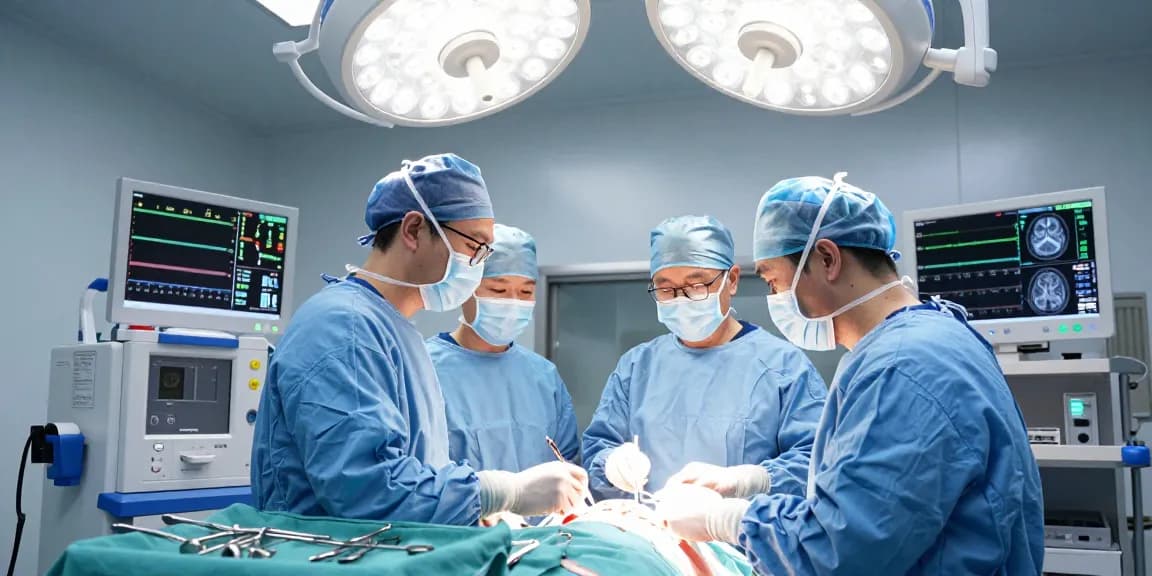
Understanding Hair Transplant Procedures in Istanbul
As hair loss becomes a common concern for many individuals globally, seeking effective solutions has led to the rise of hair transplant procedures. Istanbul, Turkey, has become a premier destination for these treatments, combining advanced medical technology and skilled practitioners with affordability. Not only does Istanbul offer a variety of hair transplant techniques that can cater to different needs, but it also provides a unique opportunity for medical tourists who seek high-quality care at competitive prices. Among these options, hair transplant istanbul offers patients insights into various clinics, allowing them to make informed decisions.
Types of Hair Transplant Techniques
Two of the most commonly utilized hair transplant techniques are Follicular Unit Extraction (FUE) and Follicular Unit Transplantation (FUT). Both methods aim to restore hair density and adjust hairlines, but they differ significantly in their execution and recovery:
- Follicular Unit Extraction (FUE): This is a minimally invasive technique where individual hair follicles are harvested from the donor area of the scalp and implanted into the balding or thinning areas. Patients often prefer FUE for its quicker recovery time and lack of linear scarring.
- Follicular Unit Transplantation (FUT): This traditional approach involves removing a strip of scalp from the donor area, which is then dissected into individual follicular units for transplantation. While this method may leave a linear scar, it allows for the transplantation of a larger number of grafts in a single session, which can be beneficial for patients with extensive hair loss.
What to Expect During the Procedure
Each hair transplant begins with a thorough consultation, where the surgeon evaluates the patient’s suitability for the procedure and discusses expectations. On the day of the surgery, local anesthesia is administered to ensure comfort throughout the operation. The procedure may take between 6 to 8 hours, depending on the chosen method and the number of grafts needed. Post-operative instructions will be provided, ensuring a smooth recovery.
The Role of Advanced Technology in Hair Restoration
In recent years, advancements in hair restoration technology have significantly improved procedural outcomes. Techniques such as Direct Hair Implantation (DHI) utilize special devices that allow for effective and precise placement of hair follicles without prior incision, which can minimize healing time and improve hair density. Additionally, robotic-assisted systems are now being employed in some clinics, adding another layer of precision in follicle harvesting and implantation.
Choosing the Right Clinic for Hair Transplants in Istanbul
Finding the best clinic for hair transplants in Istanbul requires careful consideration of various factors, such as credentials, experience, and patient testimonials. Due diligence during this process can ensure that patients receive safe and effective care.
Key Factors to Consider: Credentials and Expertise
When evaluating clinics, it is vital to review the qualifications of the surgeons. Look for board certifications, specialized training in hair restoration, and affiliations with reputable medical institutions. Many clinics highlight their team's expertise and success rates, which can be indicative of their proficiency in providing safe and effective hair transplant services.
Clinic Reviews and Patient Testimonials
Reviews and testimonials offer valuable insight into the patient experience. Websites, forums, and social media platforms can provide firsthand accounts of past patients. Positive feedback regarding the clinic’s atmosphere, staff professionalism, and overall satisfaction can greatly influence a patient’s choice of clinic.
Cost Considerations and Packages Offered
The cost of hair transplant procedures in Istanbul can vary widely depending on several factors, including the type of technique used, the number of grafts required, and the reputation of the clinic. Patients can expect to pay between $1,800 and $4,500 for a procedure, which is generally more affordable than in many Western countries. Additionally, several clinics offer comprehensive packages that may include accommodation and transportation services, which can further enhance the overall experience for international patients.
The Recovery Process After a Hair Transplant in Istanbul
Post-operative care plays a crucial role in the success of the hair transplant. Understanding the recovery process can help patients manage expectations and achieve optimal results.
Immediate Post-Procedure Care Guidelines
After the surgery, patients are advised to follow specific care instructions provided by their surgeon. This typically includes avoiding direct sunlight on the scalp, refraining from strenuous physical activities, and using prescribed topical medications to promote healing and prevent infections. Monitoring for signs of complications or unusual symptoms is also essential.
Expected Timeline for Hair Growth
Hair growth after a transplant occurs gradually. Initially, patients may experience shedding of the transplanted hair, which is normal and should not cause concern. New hair typically starts to appear within three to four months, with more substantial growth observable around six to twelve months post-procedure. Full results can take up to a year, depending on individual factors such as hair growth cycles and overall health.
Long-term Care and Maintenance Tips
To maintain the results of a hair transplant, long-term care is essential. This includes adhering to ongoing topical treatments, considering lifestyle choices like a balanced diet and managing stress, and avoiding hairstyles that pull on the hair. Regular follow-ups with the clinic can ensure that any concerns are addressed promptly and that patients receive guidance tailored to their needs.
Understanding Risks and Benefits of Hair Transplants
Like any surgical procedure, hair transplants come with potential risks and benefits that should be thoroughly understood before undergoing treatment.
Potential Risks and Side Effects
While hair transplants are generally safe, some potential side effects can include infection, scarring, and anesthesia-related complications. Minor swelling or redness may occur post-surgery; however, these symptoms typically resolve within a few days. Patients should discuss all potential risks with their surgeon during the consultation process to be well-informed.
Benefits of Hair Restoration for Patients
The primary benefit of hair restoration procedures is the enhancement of appearance and boost in self-esteem that many patients report. This can lead to improved social interactions and an overall increase in quality of life. Hair transplants can offer a natural look, with results that blend seamlessly with existing hair, allowing for styling flexibility.
Emotional and Psychological Impact of Hair Loss
Hair loss can affect individuals emotionally and psychologically. Factors such as anxiety, low self-esteem, and even depression can arise from the stigma associated with hair thinning or baldness. By restoring hair, patients may experience significant emotional relief and a renewed confidence in their appearance.
Exploring Hair Transplant Options for Different Demographics
Understanding that hair loss can affect individuals differently is vital in providing tailored solutions. Various demographics may require specific approaches to hair restoration based on their unique patterns and needs.
Hair Restoration for Men: Common Concerns
Male pattern baldness is a frequent concern among men, often leading to the pursuit of hair transplant solutions. Many men benefit from FUE techniques, which allow for minimal disruption to their lifestyle. Understanding the reasons for hair loss, such as genetics or hormonal changes, is essential to tailor effective treatments.
Female Hair Loss: Treatment Options Available
Women may experience hair loss due to various factors, including hormonal changes, medical conditions, or styling damage. Specific techniques such as FUE can be particularly beneficial for those with thinning hair, offering a natural-looking result. Treatment plans should be personalized, considering the different patterns of hair loss women experience.
Future Trends in Hair Transplant Technologies in 2026
As technology evolves, the future of hair restoration looks promising. Innovations such as stem cell therapy and enhanced robotic systems for graft harvesting may further improve the efficacy and efficiency of transplants. Ongoing research into genetic factors and hair follicle regeneration also presents exciting possibilities for comprehensive hair restoration treatments.
Frequently Asked Questions
Many patients considering hair transplants have questions regarding safety, costs, and recovery times. Addressing these inquiries can help ease uncertainties and enhance understanding.
Is Hair Transplant Surgery Safe?
Generally, hair transplant surgery is considered safe when performed by qualified professionals in accredited clinics. Patients are encouraged to conduct thorough research and select a clinic with a proven track record.
How Much Does a Hair Transplant Cost in Istanbul?
The cost of a hair transplant in Istanbul varies based on the chosen method and the extent of the procedure, typically ranging from $1,800 to $4,500. Discussing payment options and financing plans with clinics can provide additional information to help in decision-making.
What Is the Expected Recovery Time After Surgery?
Recovery time after a hair transplant can range depending on the individual and procedure performed. For more information, https://aslitarcanglobal.com/hair-transplant-in-turkey/ offers valuable insights. Generally, most patients can resume normal activities within a few days, but full results can take several months to become evident.