Understanding Invoice Fraud and How to Detect Fake Invoices
Invoice fraud has become a pressing concern for businesses across various industries. As digital transformation accelerates, scammers are leveraging technology to create sophisticated fake invoices that can deceive even the most vigilant teams. Understanding how to detect fake invoice can protect your business from substantial financial losses and reputational damage. This article explores the intricacies of invoice fraud, common signs of fake invoices, and effective strategies to combat this growing threat.
What is Invoice Fraud?
Invoice fraud occurs when a scammer creates fraudulent invoices with the intent of tricking a business into making a payment for goods or services that were never delivered. This form of fraud takes many shapes, from vendor impersonation to alterations of genuine invoices. The rise of remote work and reliance on electronic transactions has only exacerbated this issue, making it imperative for companies to implement effective verification processes.
Common Types of Fake Invoices
- Phishing Invoices: Scammers disguise themselves as legitimate suppliers and send fake invoices via email.
- Altered Invoices: Existing invoices are manipulated to change payment details, such as bank account numbers.
- Fraudulent Subcontractor Invoices: Fraudsters pose as legitimate subcontractors to bill for services that were never rendered.
- Overbilling: Scammers inflate the cost of legitimate services in an attempt to pocket the difference.
Signs to Detect Fake Invoices
Recognizing the signs of a fake invoice is critical for preventing losses. Common indicators include:
- Poor Grammar and Spelling: Fake invoices often contain spelling mistakes or grammatical errors.
- Inconsistent Vendor Information: Mismatched addresses, logos, or phone numbers are red flags.
- Unusual Payment Terms: Requests for immediate payment or unusual payment methods should raise suspicion.
- Sequential Invoice Numbers: Genuine invoices typically follow a consistent numbering pattern.
Key Techniques to Detect Fake Invoices Effectively
With the rise of sophisticated scams, it’s essential to implement robust verification techniques for invoice processing. Here are some methods that can enhance your ability to identify fraudulent invoices.
Using AI Tools for Invoice Verification
Artificial Intelligence (AI) has become a powerful ally in the battle against invoice fraud. Advanced AI tools can analyze invoices in real-time, looking for inconsistencies in vendor data, payment terms, and even document formatting. Implementing such tools can drastically reduce the time required for manual checks while enhancing accuracy in detecting fake invoices.
Manual Checks: What to Look For
While automation is invaluable, manual checks remain an essential part of the invoice verification process. Here are key aspects to scrutinize:
- Cross-Reference Information: Compare invoice details with vendor records and previous transactions.
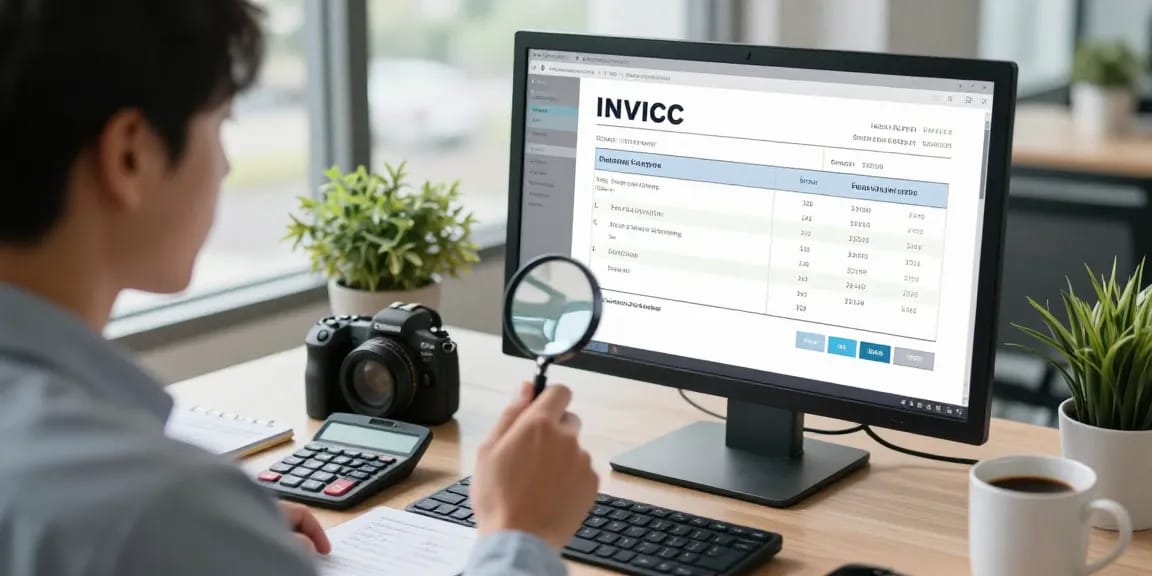
- Inspect Format and Design: Genuine invoices typically follow standard layouts and formatting. Look for anomalies.
- Verify Total Amounts: Ensure that the billed amounts are consistent with previous invoices and agreed-upon rates.
Implementing Best Practices in Document Review
Adopting best practices can significantly enhance the integrity of your document review process. Here are some actionable steps:
- Regular Training: Conduct ongoing training for employees on recognizing fraudulent invoices and scams.
- Dual Approval Processes: Implement a two-step verification process that requires approval from multiple individuals.
- Document Retention Policies: Establish clear policies for retaining invoices and supporting documents for future audits.
Real-World Examples of Fake Invoice Scams
Learning from real incidents can provide valuable insights into the tactics used by scammers and the vulnerabilities that exist within businesses.
Case Study: A Business's Battle Against Invoice Fraud
Consider the case of a mid-sized manufacturing company that fell victim to an invoice fraud scheme. A fraudster impersonated a known supplier, sending invoices that appeared legitimate. The company’s finance department processed the payments quickly, believing the invoices to be authentic. Only after discrepancies were noted during a routine audit did the company realize they had been scammed, leading to significant financial losses.
Lessons Learned from Invoice Fraud Incidents
From this and other case studies, businesses can glean essential lessons:
- Vigilance is Key: Always verify new vendors or changes in payment information.
- Documentation Saves Money: Keeping meticulous records can help trace back financial discrepancies.
- Trust but Verify: Develop a healthy skepticism about incoming invoices, even if they appear familiar.
Top Industries Affected by Fake Invoices
Invoice fraud is not limited to one sector; however, certain industries are disproportionately affected:
- Construction: Frequent subcontracting and multiple vendors make it a hotspot for fraud.
- Healthcare: The complexity of billing and payments can create opportunities for scammers.
- Retail: Ongoing supply chain transactions increase the risk of fraudulent billing.
Future Trends in Invoice Verification Technology
As technology continues to evolve, so does the approach to preventing invoice fraud. Here’s a glimpse into future trends.
Emerging Tech for Detecting Fake Invoices
New technologies such as machine learning algorithms are set to revolutionize the way businesses approach invoice verification. These systems can learn from past fraud attempts and adapt their detection methods accordingly, enhancing accuracy and efficiency.
The Role of Blockchain in Invoice Security
Blockchain technology promises enhanced security by providing immutable transaction records. This can help verify the authenticity of invoices, making it nearly impossible for fraudulent documents to be created without detection.
Predictions for Invoice Fraud in 2026 and Beyond
As remote work becomes increasingly common, the sophistication of fraud schemes is expected to rise. Businesses will need to continuously adapt their strategies, integrating advanced technologies and training to stay one step ahead of threats.
Frequently Asked Questions about Detecting Fake Invoices
How can I check if an invoice is real?
To verify an invoice, cross-check vendor information, scrutinize formatting, and analyze amounts for any discrepancies.
What tools are best for detecting fake invoices?
AI-driven verification software, along with manual checks and cloud-based solutions, can greatly enhance invoice authentication.
How can businesses protect themselves from invoice fraud?
Employing dual approval processes, regular staff training, and robust verification protocols are essential steps for protection.
What should I do if I receive a suspicious invoice?
Do not process the invoice. Investigate the source by contacting the vendor directly using verified contact information.
Are there legal implications of processing a fake invoice?
Yes, processing a fraudulent invoice can have legal consequences, including potential liability for financial losses incurred by the company.