Understanding Budget Printing
What is Budget Printing?
Budget printing refers to a range of printing services designed to be cost-effective without compromising quality. It is often utilized by small businesses, startups, and non-profit organizations that need high-quality printed materials at an affordable rate. By leveraging specific techniques and technologies, vendors in the budget printing space can offer competitive pricing, making it accessible for various enterprises. Whether for marketing materials, promotional items, or internal documents, budget printing serves as a solution that balances cost and quality for essential communications.
Benefits of Budget Printing
Engaging in budget printing presents several advantages:
- Cost Savings: The most obvious benefit is the reduced financial burden. Companies can allocate funds to other areas, such as marketing or product development.
- Access to Quality: Despite the lower price, many budget printing services still offer excellent quality products, ensuring that the output is professional and effective.
- Quick Turnaround: Many providers specializing in budget printing have streamlined processes that allow for faster project completion, enabling businesses to meet tight deadlines.
- Versatility: Budget printing options encompass a wide range of products, including business cards, flyers, brochures, posters, and more, catering to diverse business needs.
- Sustainability: Many budget printing companies are adopting eco-friendly practices, offering budget-friendly printing options that also support environmental sustainability.
Common Uses for Budget Printing
Budget printing can be utilized across various scenarios, including:
- Marketing Materials: Essential for promotional campaigns, materials like brochures and flyers are commonly printed in bulk at manageable costs.
- Event Promotion: Banners and posters for events can effectively attract attention while being cost-efficient to produce.
- Office Supplies: Companies frequently require printed items like letterheads, envelopes, and notepads, which can all be done through budget printing.
- Educational Materials: Schools and educational institutions often utilize budget printing for handouts, brochures, and teaching aids.
- Product Packaging: With creative and affordable solutions, businesses can use budget printing for product labels and packaging designs.
Choosing the Right Budget Printing Services
Factors to Consider
When selecting a budget printing service, several critical factors should influence your decision-making process:
- Quality of Materials: Ensure that the printing service uses quality paper and inks that enhance the overall appearance of the finished product.
- Customization Options: Look for services that offer flexible options for sizes, colors, and design templates to suit your brand's identity.
- Turnaround Time: Depending on your project timeline, check the service's ability to meet deadlines without extra charges for quick completion.
- Customer Service: A responsive customer support team can help address any concerns you may have, ensuring a smooth experience.
- Reputation and Reviews: Research the company’s track record by reviewing testimonials and case studies to gauge reliability and quality.
Comparing Budget Printing Options
When exploring different budget printing options, consider employing a systematic approach:
- Create a Checklist: Outline your specific needs concerning materials, quantities, and design preferences.
- Gather Quotes: Request quotes from multiple providers to compare pricing structures; consider asking for samples of previous work.
- Evaluate Turnaround Times: Assess which providers can meet your deadlines efficiently.
- Check Additional Services: Some companies may provide extra services such as design assistance or delivery which can be beneficial.
Evaluating Service Providers
To ensure you are making the right choice in budget printing services, focus on these evaluation strategies:
- Request Samples: Always ask for printed samples to evaluate quality firsthand before placing a bulk order.
- Ask About Technology: Inquire about the printing technologies being used, such as digital printing or offset printing, as this can impact quality and cost.
- Review Policies: Familiarize yourself with the printing provider's policies on changes, amendments, and refunds in case of order discrepancies.
- Check for Certifications: Some companies may have certifications that attest to ethical practices and quality management standards.
Designing for Budget Printing
Best Practices in Design
Achieving maximum impact with budget printing often begins with effective design practices. Here are key guidelines:
- Keep It Simple: Simple designs with limited color palettes work well as they not only emphasize critical content but can also save on printing costs.
- Use High-Quality Images: Ensure images and graphics are of high quality to avoid pixelation. Vector graphics are particularly good for scaling without loss of quality.
- Focus on Readability: Utilize clear fonts and appropriate sizes to enhance readability, ensuring that the audience can grasp the message quickly.
- Consistent Branding: Maintain consistency with your brand guidelines to build recognition and ensure that printed materials reflect your brand accurately.
- Incorporate White Space: Use white space effectively to avoid clutter, which can distract or overwhelm readers and diminish the message's effectiveness.
Cost-Effective Design Tools
There are several design tools that can help streamline the design process while adhering to budget constraints:
- Canva: This user-friendly tool offers a variety of templates and design elements that are great for beginners and suitable for creating marketing materials.
- Adobe Express: Formerly Adobe Spark, this tool allows users to create stunning visuals using an array of pre-made templates and design assets.
- PicMonkey: A versatile photo editing and design platform that is perfect for creating graphics, collages, and layouts.
- Visme: This tool offers an extensive library of templates and visuals ideal for infographics and presentation designs, enhancing budget-friendly marketing campaigns.
- Affinity Designer: An affordable alternative to Adobe Illustrator, offering professional-grade vector graphics capabilities.
Tips for Effective Print Layouts
To optimize your layouts for budget printing, consider the following tips:
- Hierarchy of Information: Prioritize important information using font size and positioning so that it stands out and grabs attention.
- Alignment Matters: Ensure proper alignment of elements in your layout to create a clean and professional appearance.
- Margins and Bleed: Factor in margins and bleed in your designs to prevent any crucial information from being cut off during printing.
- Proofread Carefully: A mistyped word can undermine credibility, so take time to proofread designs before sending them to print.
- Test Print: Always conduct test prints of smaller batches or proofs to evaluate colors and layouts accurately before full production.
Maximizing Impact with Budget Printing
Marketing Strategies Using Budget Printing
Businesses can effectively employ budget printing in their marketing strategies through various methods:
- Direct Mail Campaigns: Utilize flyers or postcards to reach potential customers directly at their homes, creating a personal touch.
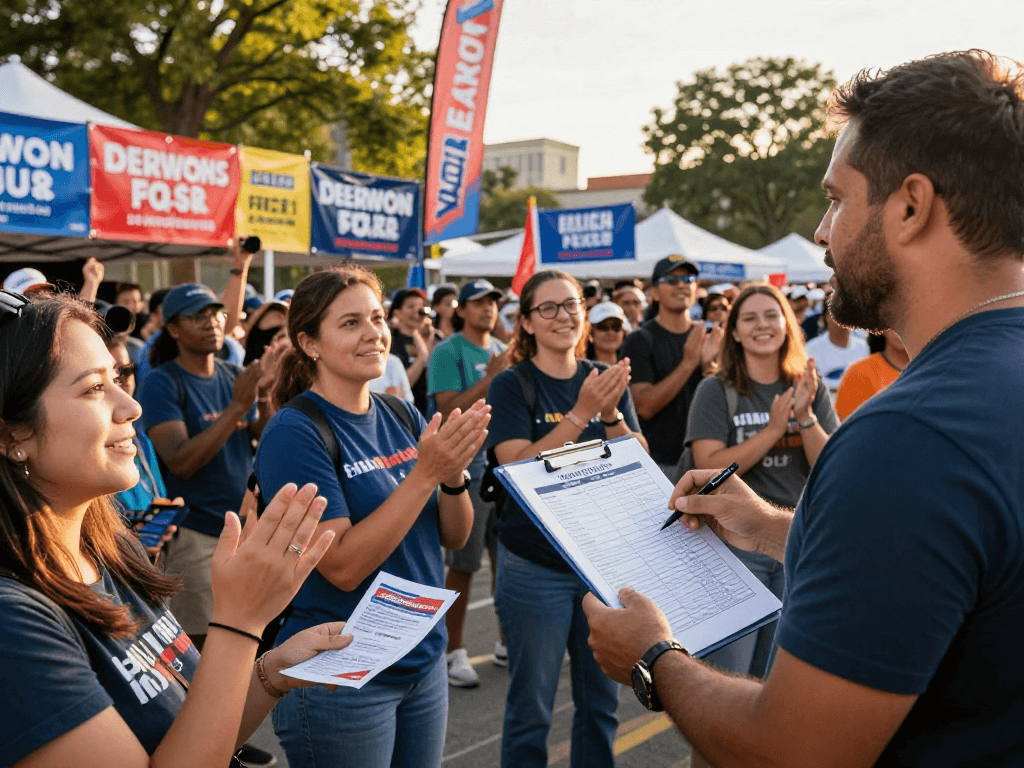
- Trade Shows and Events: Use banners, brochures, and promotional items that reflect your brand at public events to drive engagement and lead generation.
- In-Store Promotions: Printed signage and point-of-sale materials can enhance customer shopping experiences and direct attention to specific products or offers.
- Community Engagement: Flyers and posters are effective tools for promoting local events, encouraging community involvement.
- Social Media Integration: Include QR codes on printed materials to drive traffic to online platforms, blending offline efforts with digital to maximize reach.
Examples of Successful Projects
Seeing real-world applications can be informative. Consider the following examples:
- Local Coffee Shop: A small coffee shop used a series of beautifully designed, budget-printed posters to promote a new menu item. The posters generated buzz and increased sales by 30% during the initial launch week.
- Non-Profit Organization: After using budget printing for flyers and brochures detailing their initiatives, a non-profit's event attendance doubled, highlighting the importance of effective outreach materials.
- Startup Launch: A fledgling tech startup invested in budget printing for business cards and a brochure, which they handed out at a networking event. They resulted in multiple partnerships and opportunities within a month.
- Community Fundraiser: A local charity used banners and flyers to promote a fundraiser, which tripled their participant turnout compared to previous events.
- School Events: A school printed brochures to outline upcoming events, which increased parental involvement significantly future meetings.
Measuring the ROI of Budget Printing
To determine the return on investment for budget printing, follow these metrics:
- Track Conversions: Measure how many leads result from your printed materials using unique codes or URL links.
- Monitor Engagement: Assess participation rates in events or promotions connected to your printed efforts.
- Calculate Cost Per Acquisition: Divide the total cost of your printing services by the number of new customers acquired through those materials.
- Survey Feedback: Collect feedback from customers on how they received your printed materials, providing insight into effectiveness and areas for improvement.
- Analyze Sales Data: Look for spikes in sales around the time of your marketing campaign to establish a direct correlation to your budget printing efforts.
Frequently Asked Questions
What is the typical turnaround time for budget printing?
Turnaround times for budget printing can vary, but most services offer options from same-day to standard turnaround of 3-7 business days depending on the complexity and volume of the order.
How can I reduce costs when ordering budget printing?
To cut costs on budget printing, consider choosing simpler designs, opting for larger print runs, and selecting standard paper types rather than premium options.
Are there any limitations to budget printing?
Budget printing may have limitations such as reduced paper options, color choices, and more limited customization compared to premium services.
What types of materials can be used for budget printing?
Common materials for budget printing include paper, cardstock, vinyl for banners, and various coatings like gloss or matte based on your project needs.
How do I ensure high-quality results in budget printing?
To achieve high-quality results, use high-resolution images, ensure correct color settings, and communicate clearly with your printing provider about expectations.