Interior design in Dubai is a captivating field that blends modern aesthetics with rich cultural influences. As the city continues to grow into a global hub for luxury, innovation, and artistry, it's essential to understand the nuances that shape the interior design landscape here. From cutting-edge contemporary styles to traditional elements that reflect the region's heritage, interior design in Dubai offers something for everyone. Whether you're renovating your home, setting up a commercial space, or simply looking to be inspired, understanding these trends can enhance your appreciation of spaces. For professional insights on this topic, explore interior design dubai and discover the myriad options available.
Understanding Interior Design Dubai
Defining Interior Design in Dubai
Interior design in Dubai is more than merely arranging furniture or selecting color palettes. It involves a meticulous process of creating environments that enhance the functionality and aesthetic appeal of residential and commercial spaces. Designers often draw upon modern technology and architectural styles, seamlessly integrating them with local traditions. This synergy results in unique spaces that resonate with both international tastes and local customs.
Historical Influences on Dubai Design Trends
Dubai's rapid evolution from a modest fishing village into a cosmopolitan city is mirrored in its design trends. Historically, the UAE’s architecture incorporated elements of Arabian style, emphasizing materials like stone and wood, combined with intricate lattice work. However, as globalization took hold, a shift began to occur. The influx of international architects and designers brought diverse influences, merging classic Islamic design principles with contemporary styles.
The Role of Culture in Shaping Interiors
Cultural elements play a significant role in Dubai's interior design. The city's rich heritage, influenced by Bedouin traditions, combined with a modern, globally-influenced aesthetic creates unique interior environments. Designers often incorporate local materials, motifs, and art forms, honoring cultural narratives while catering to an international clientele. Spaces often reflect personal stories, combining the individual’s background with their aspirations, resulting in interiors that are both personal and culturally resonant.
Popular Styles in Interior Design Dubai
Contemporary Trends Transforming Spaces
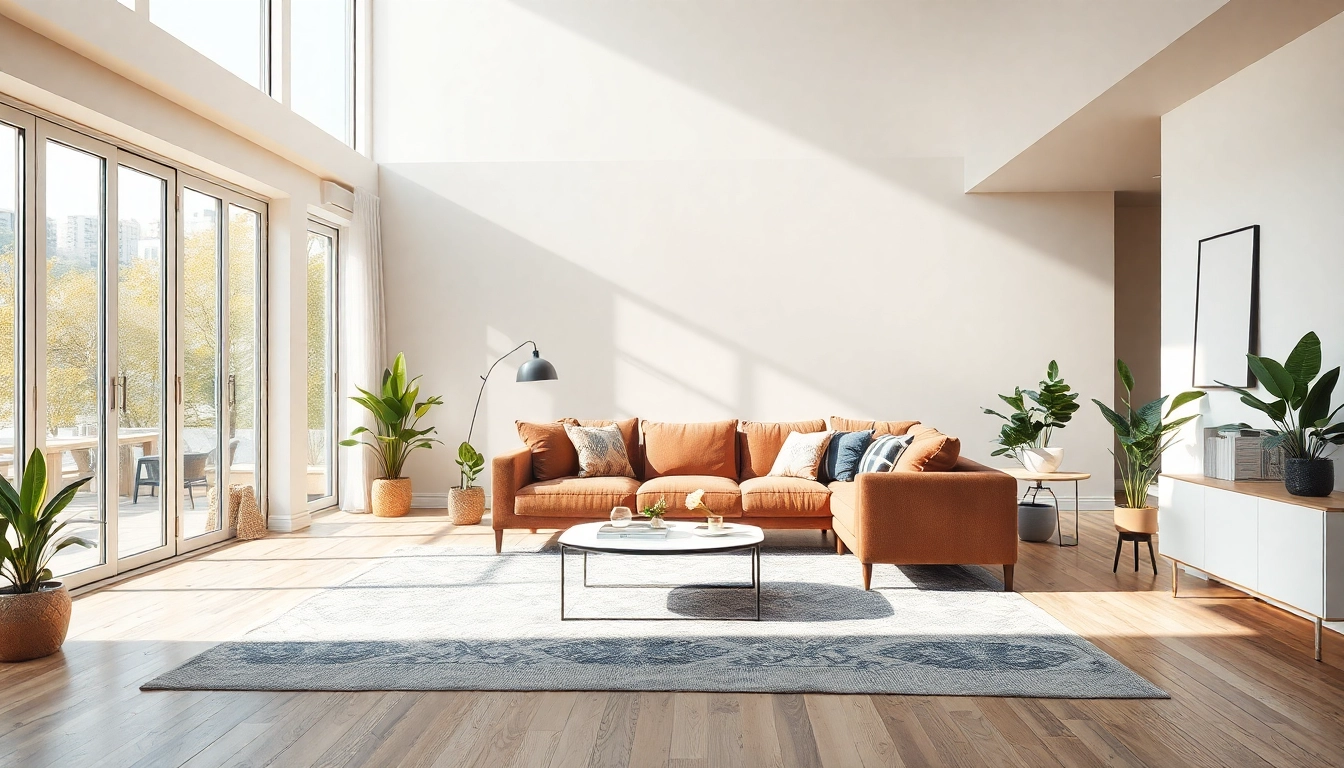
Contemporary design trends in Dubai are heavily characterized by minimalism, openness, and a focus on sustainability. Clean lines, open spaces, and an emphasis on natural light dominate modern interiors. Designers are increasingly utilizing eco-friendly materials and smart home technologies, catering to a new generation that values both luxury and sustainability. This trend translates into spaces that are not only visually pleasing but also environmentally responsible.
Traditional Designs and Their Modern Interpretations
While modernism thrives in Dubai, traditional designs remain significant. The reinterpretation of traditional Arabic aesthetics with contemporary applications offers a rich tapestry of design. Elements like intricate geometric patterns and ornate detailing are now merged with modern furnishings and layouts. This fusion creates a unique narrative that respects Dubai's past while embracing its transformative future.
Luxury Design Features in Dubai Homes
Dubai's reputation for luxury is evident in its interior design. Rich fabrics, statement lighting, and custom-built furniture are just a few hallmark features of high-end residences. Furthermore, expansive spaces equipped with smart home integrations epitomize luxury living, allowing for seamless functionality and comfort. Home spa areas, gourmet kitchens, and infinity pools are also common, combining aesthetics with a lifestyle that signifies opulence.
Choosing the Right Color Palette
Current Color Trends in Interior Design Dubai
Identifying the right color palette is pivotal in interior design. Current trends in Dubai favor neutral tones like beige, taupe, and soft grays, often accented with vibrant splashes of color. Such palettes can evoke a sense of calm and elegance while allowing personalization through accessories, art, and decor items. Additionally, jewel tones—such as emerald green and sapphire blue—bring richness and depth, often found in luxury spaces.
The Psychological Impact of Colors on Space
Colors significantly affect our emotions and perceptions. Warm colors like reds and oranges can create a lively atmosphere, enhancing social interactions, while cool tones foster tranquility and relaxation. In Dubai, where outdoor temperatures soar, choosing the right colors allows for creating environments that feel inviting and comfortable. Thus, implementing color psychology in design ensures that spaces cater not only to aesthetic appeal but also to the emotional needs of occupants.
Combining Shades Effectively in Your Design
Combining different shades requires a careful balance to achieve harmony. A practice such as the 70/30 rule—where 70% of a space features a dominant color, and 30% showcases contrasting accents—is often recommended. Mixing matte and glossy finishes can also enhance texture, providing depth and interest that elevates overall design. Furthermore, layering shades throughout various elements—walls, furnishings, and decor—creates a cohesive visual narrative that resonates throughout the space.
Cost Considerations for Interior Design Dubai
Understanding Average Design Costs in Dubai
The costs associated with interior design in Dubai can vary drastically based on several factors such as project scope, type of property, and designer experience. On average, a studio apartment’s renovation can cost between AED 10,000 to AED 25,000, whereas an upscale villa project can range significantly higher, sometimes exceeding AED 250,000. Understanding these price points is crucial for effectively budgeting your interior design project.
Budgeting for Your Interior Design Project
Creating a comprehensive budget is vital for any design project. It should account for design fees, materials, furnishings, and any unexpected expenses that may arise. Allocating funds sensibly—50% for furniture, 30% for renovations, and 20% for decorative elements—can guide expenditure. By sticking to a budget and monitoring it closely, you can ensure a smoother design process while achieving your vision without overspending.
Value for Money: Investing in Quality
While initial costs may be higher for quality materials and skilled designers, the long-term benefits often justify this expense. Quality items tend to be more durable, resulting in less frequent replacements and repairs. Investing in renowned designers can also yield superior results, amplifying property value. Therefore, understanding the value of each investment is important for ensuring lasting satisfaction with your design choices.
Key Questions About Interior Design Dubai
Frequently Asked Questions
1. How much do interior designers charge in Dubai?
Interior designers in Dubai typically charge based on project type. Generally, expect costs for a studio apartment renovation to range from AED 10,000 to AED 25,000, with higher costs for larger residential or commercial spaces.
2. What styles are popular in Dubai’s interior design?
Dubai showcases a blend of contemporary minimalism, luxurious opulence, and traditional Arabic influences. It's common to see a mix of modern aesthetics alongside rich cultural motifs, creating unique designs.
3. How can I find a qualified interior designer in Dubai?
Seek recommendations through social media platforms and community forums. Review portfolios and consider designer credentials and specialties to find a suitable match for your style and needs.
4. What features should I focus on for luxury interiors?
When designing luxury interiors, prioritize high-quality materials, bespoke furnishings, and advanced technology integrations. Lighting, space usage, and custom art also add an exclusive feel.
5. How can color choices impact my space?
The color palette can influence mood and perception. Neutral tones create calmness, while bold colors can energize a space. Understanding color psychology helps tailor your design to desired atmospheres.